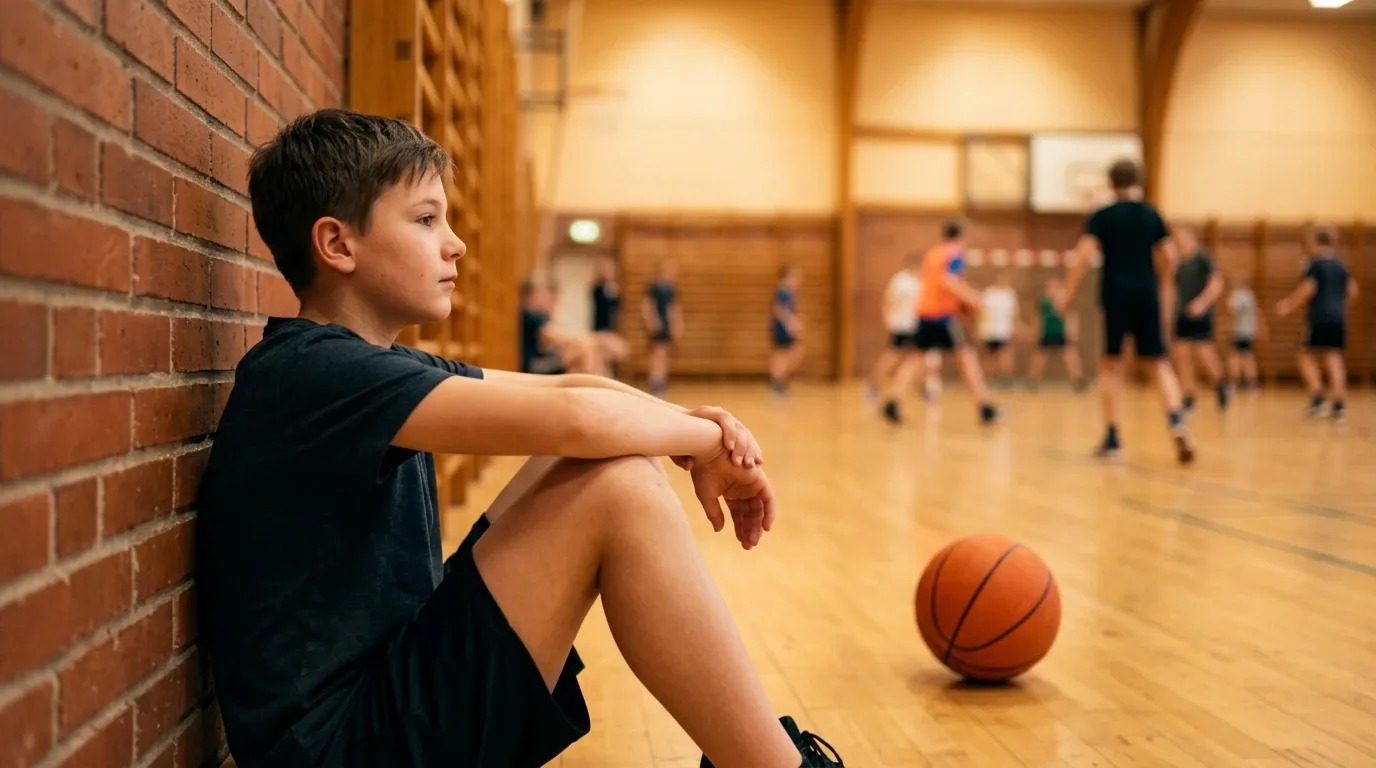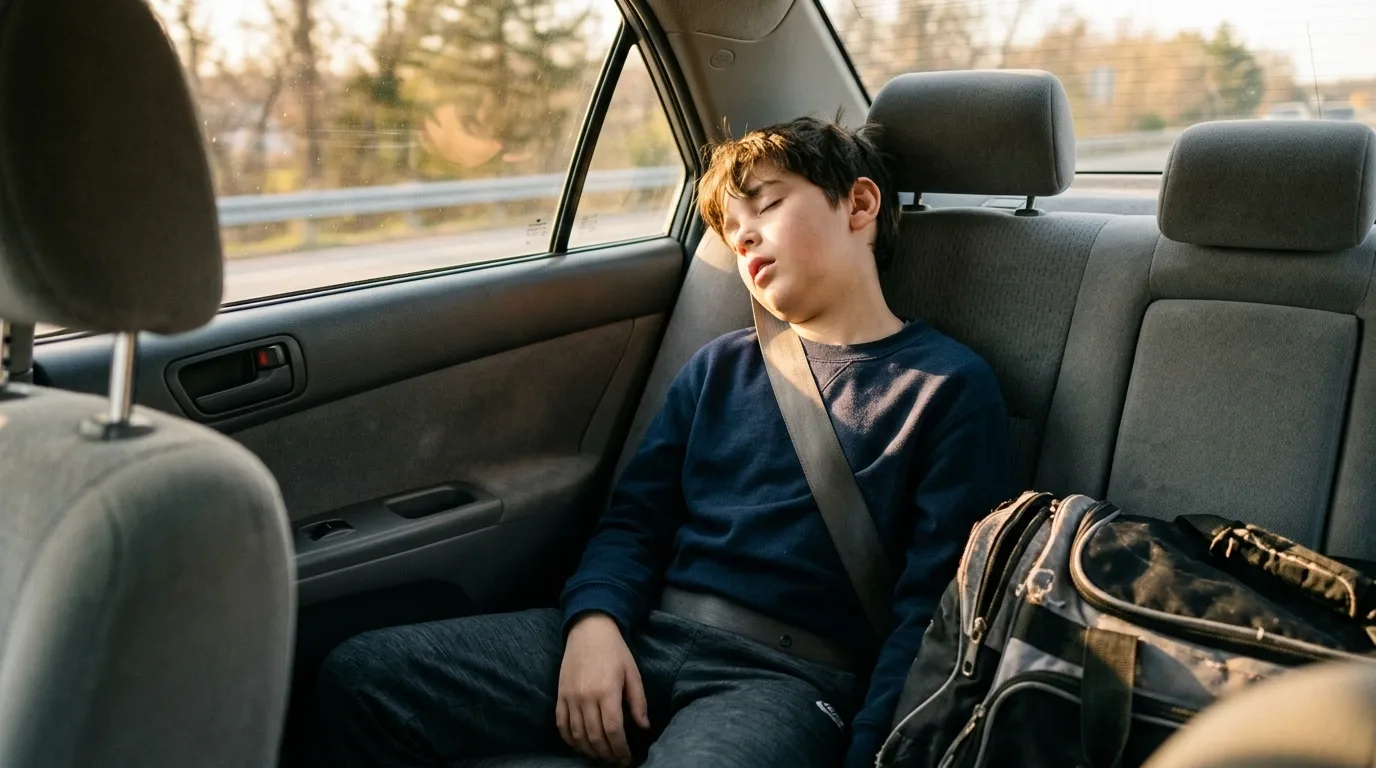
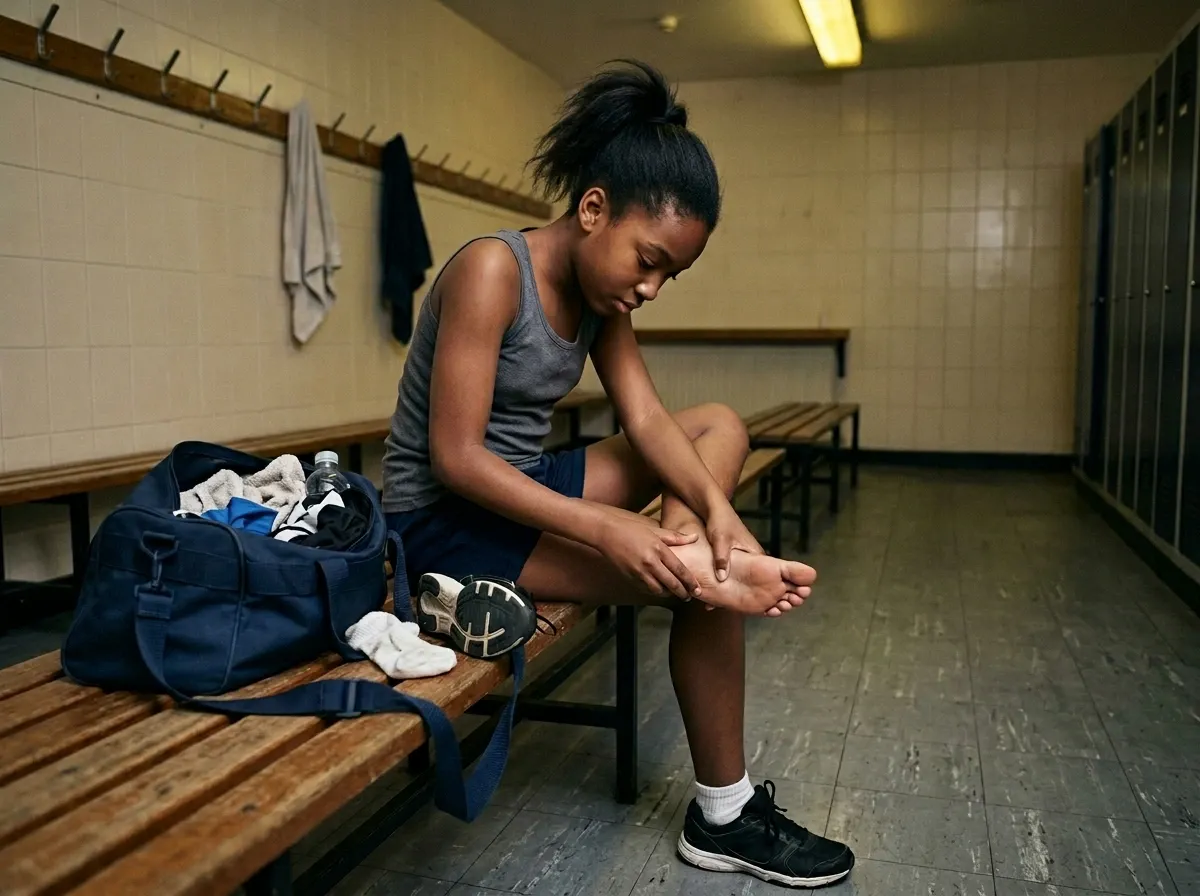
Participation doesn’t end when motivation disappears. Often, it ends when bodies can no longer keep up with the system.
Body energy is not about toughness – it’s about sustainability. When adults design systems that honor biology, youth don’t have to choose between participation and their physical well-being.
In youth sports, physical breakdown is frequently treated as an unfortunate but inevitable cost of commitment. Injuries, chronic soreness, burnout, and forced time off are framed as individual issues – poor conditioning, lack of toughness, bad luck. But body energy is not an individual failure. It is a reflection of how adult-designed systems interact with developing bodies.
Systems that outpace biological development
Young bodies are adaptive – but not limitless. Body energy drains when practice skills are not adjusted to the athlete’s capabilities, when volume increases without matching recovery, when early specialization removes load variation, when year-round competition eliminates seasonal rest, and when playing through pain is rewarded. These patterns are rarely malicious. They’re often driven by competition calendars, cultural expectations, or fear of falling behind. But the body keeps score.
Body energy is the capacity to train without accumulating injury, recover between sessions, adapt positively to stress, and feel safe inhabiting one’s body. When it’s supported, kids feel capable and resilient. When it’s depleted, participation becomes physically and psychologically unsafe.
Designing systems that protect body energy
The shift starts with moving from “more is better” to “enough is enough” – asking what the minimum effective dose for growth actually is. It means building load literacy among coaches, parents, and teachers: shared language around growth spurts, overuse risk, cumulative fatigue, and early signs of injury. It means normalizing rest as a performance skill rather than a sign of weakness. And it means removing hero narratives around playing through pain.
Kids stay when their bodies are protected, not exploited.
See readiness in action.
R1 is building the first national readiness study for youth athletes. 100,000 children across multiple sports.