Insights
Thinking on readiness, participation, and development.
What it takes to help young people thrive in sport – and in life – from the team building R1.
What it takes to help young people thrive in sport – and in life – from the team building R1.
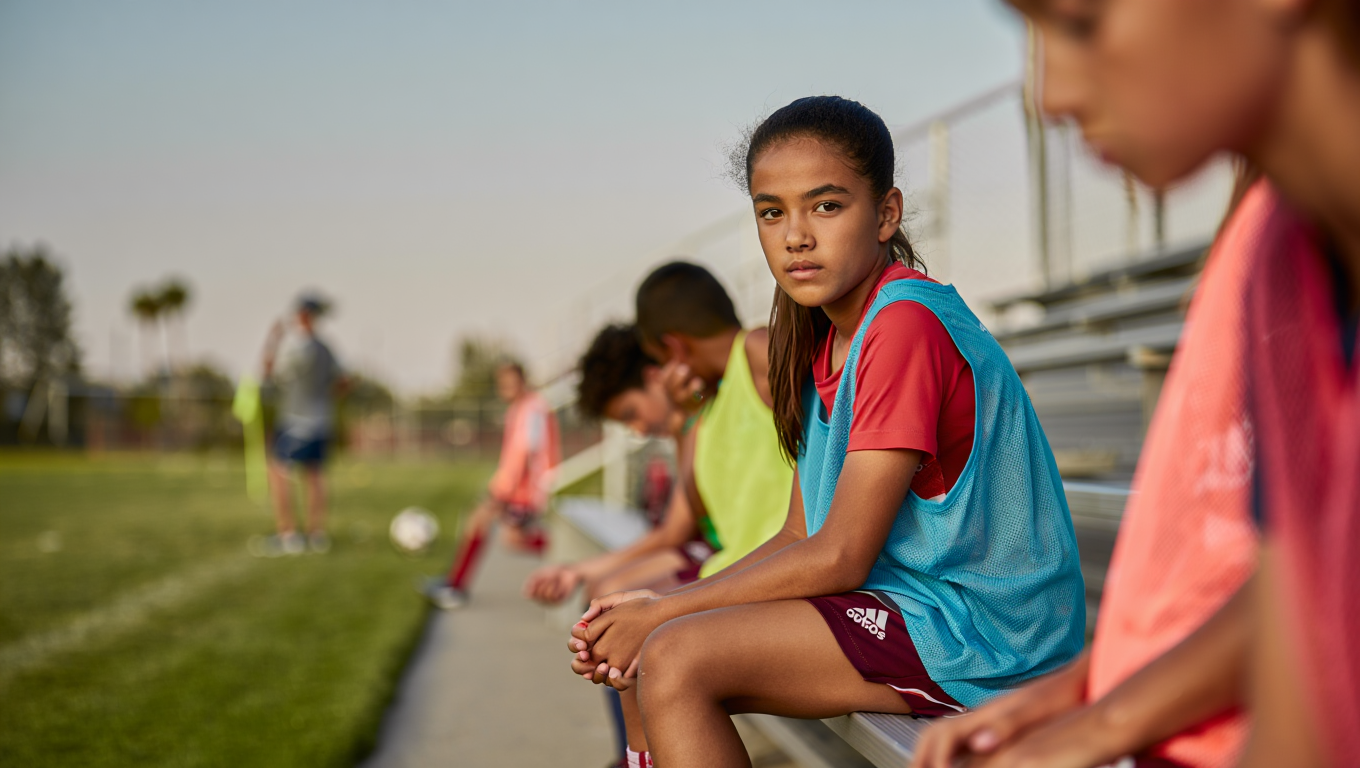
Girls leave sport at twice the rate of boys by age 14. The dropout isn’t a programming problem – it’s a developmental literacy problem. The window where girls leave is the same window where the female body and brain are undergoing changes that are almost completely unaddressed by the adults around them.
Read article →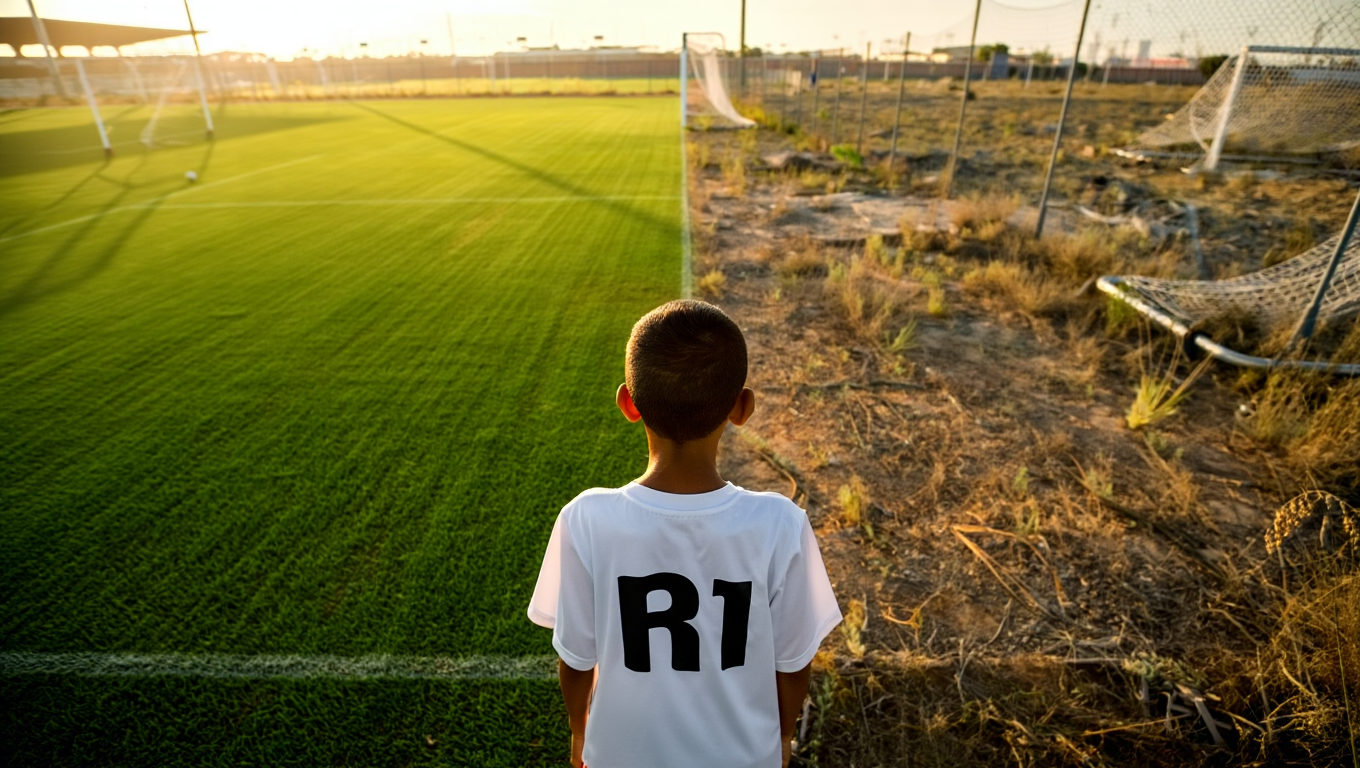
The Enhanced Games is the most honest mirror sport has held up to itself in a long time. Most people don’t like what they see – not because of what it is, but because of what it reflects back about the system we’ve built and spent decades pretending was clean.
Read article →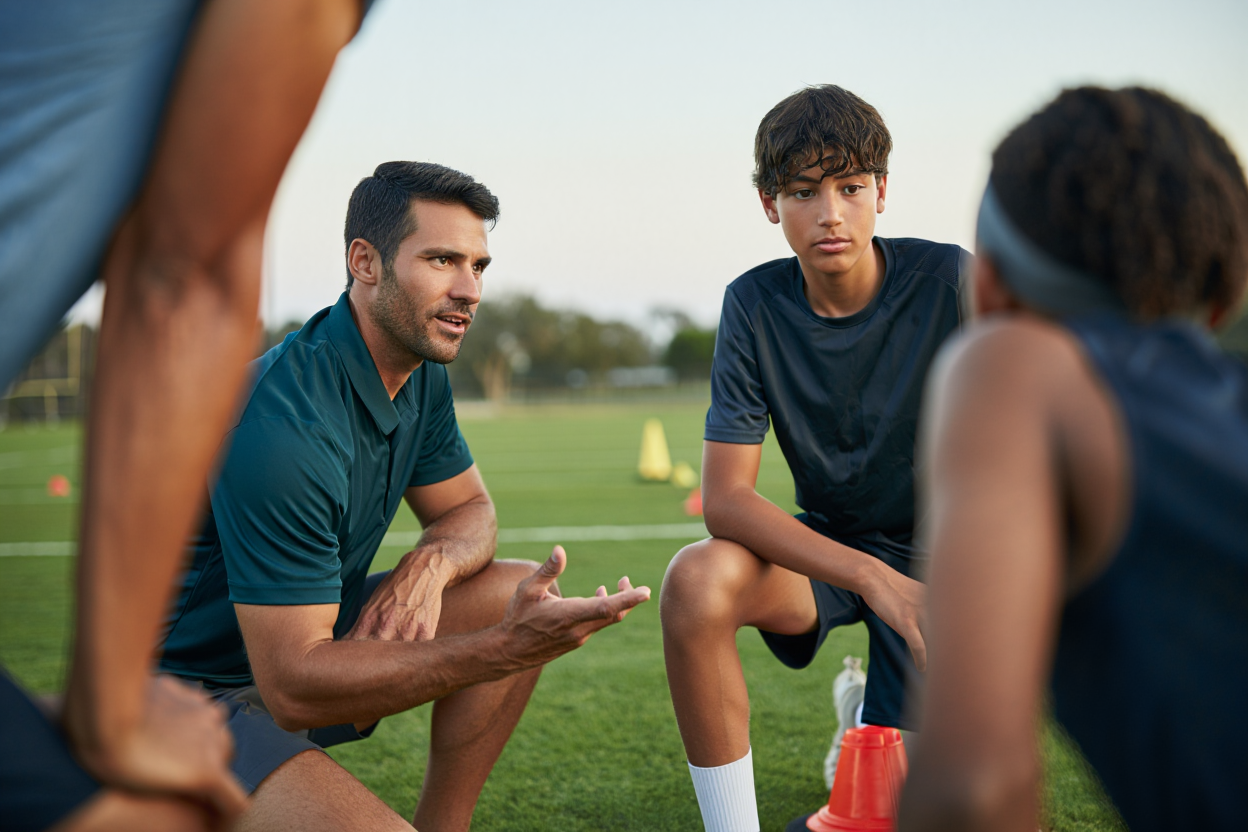
Participation alone does not guarantee the acquisition of values and life skills. The research is specific: what separates programs that develop young people from programs that just keep them busy is intentional coaching.
Read article →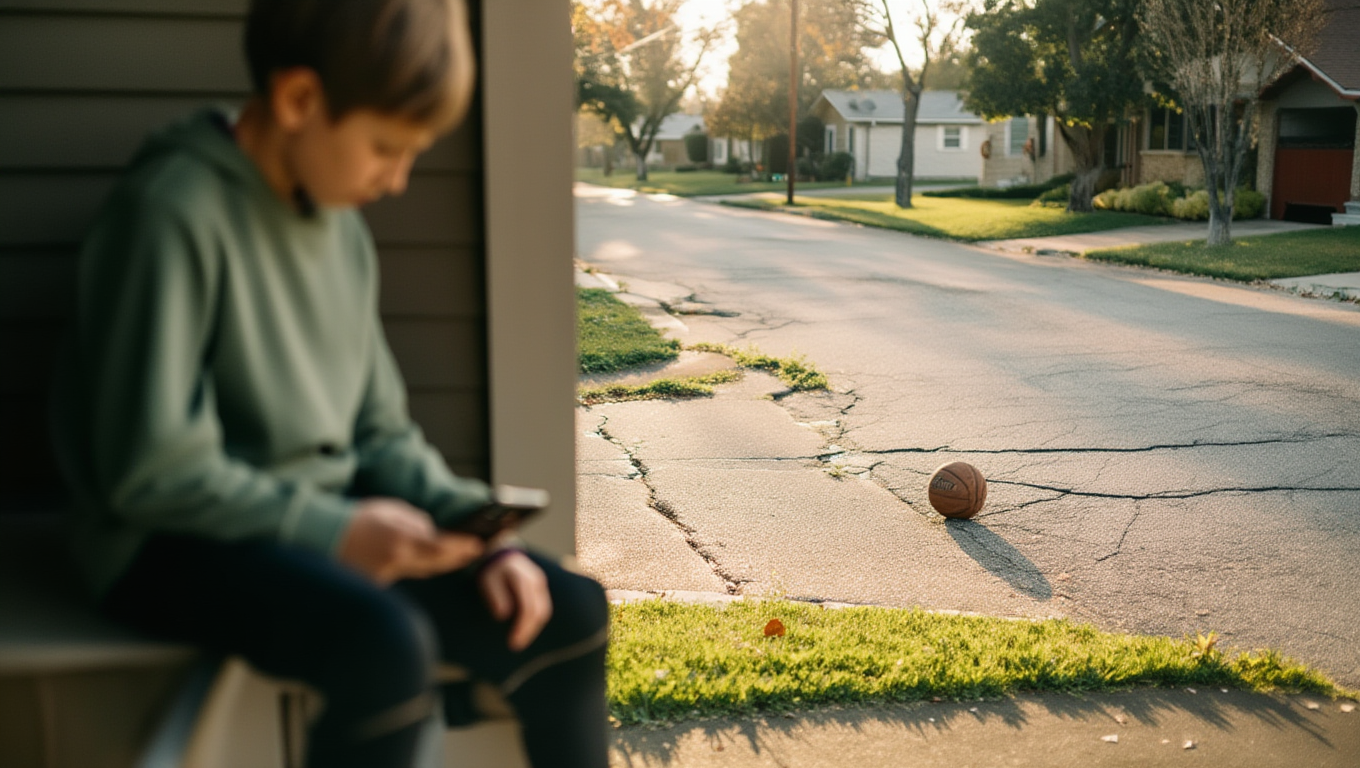
Childhood readiness has declined significantly, and understanding this shift is key to addressing youth development challenges. The industry isn’t going away. The era isn’t coming back. The work is figuring out what readiness looks like in the world we actually live in.
Read article →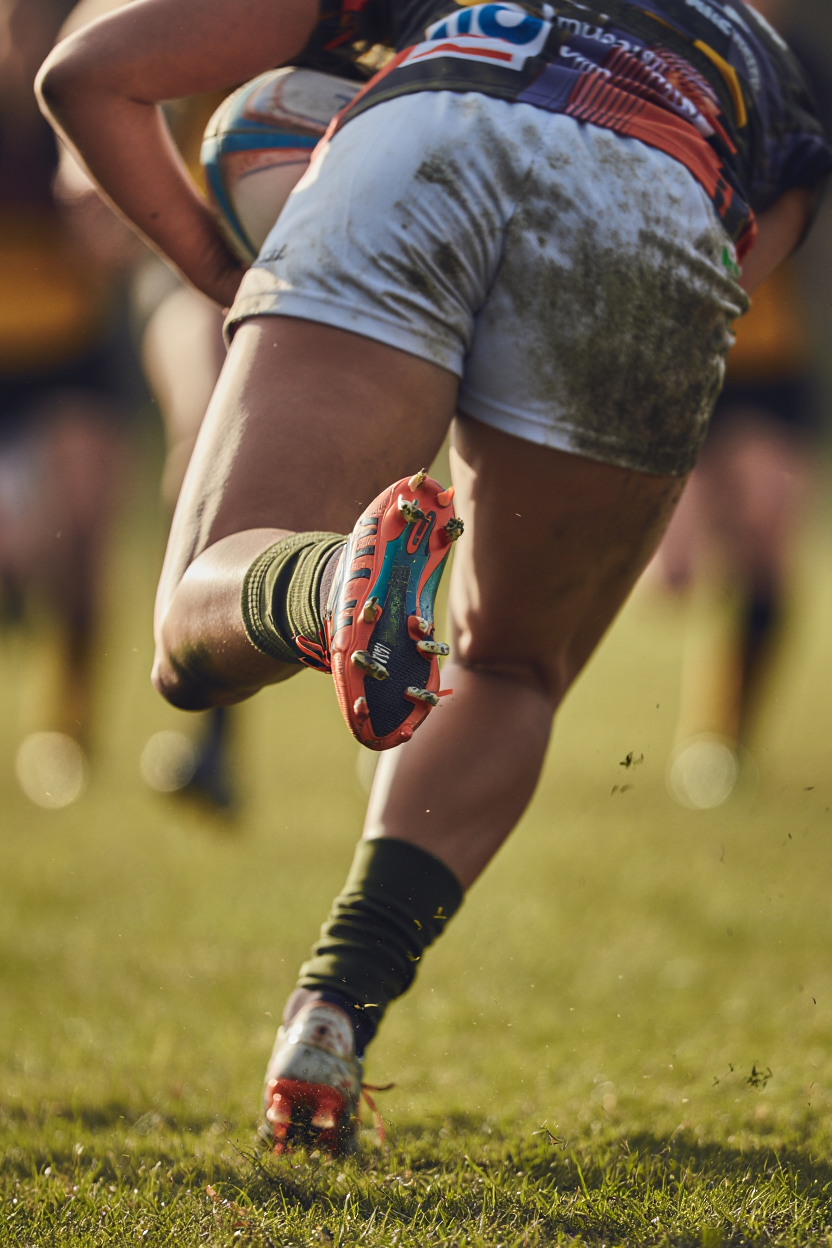
ACL injuries shouldn’t be treated as a cost of playing sport. What four international seasons with the Black Ferns Sevens taught me about what real prevention actually requires, and why warm-up protocols alone will never be enough.
Read article →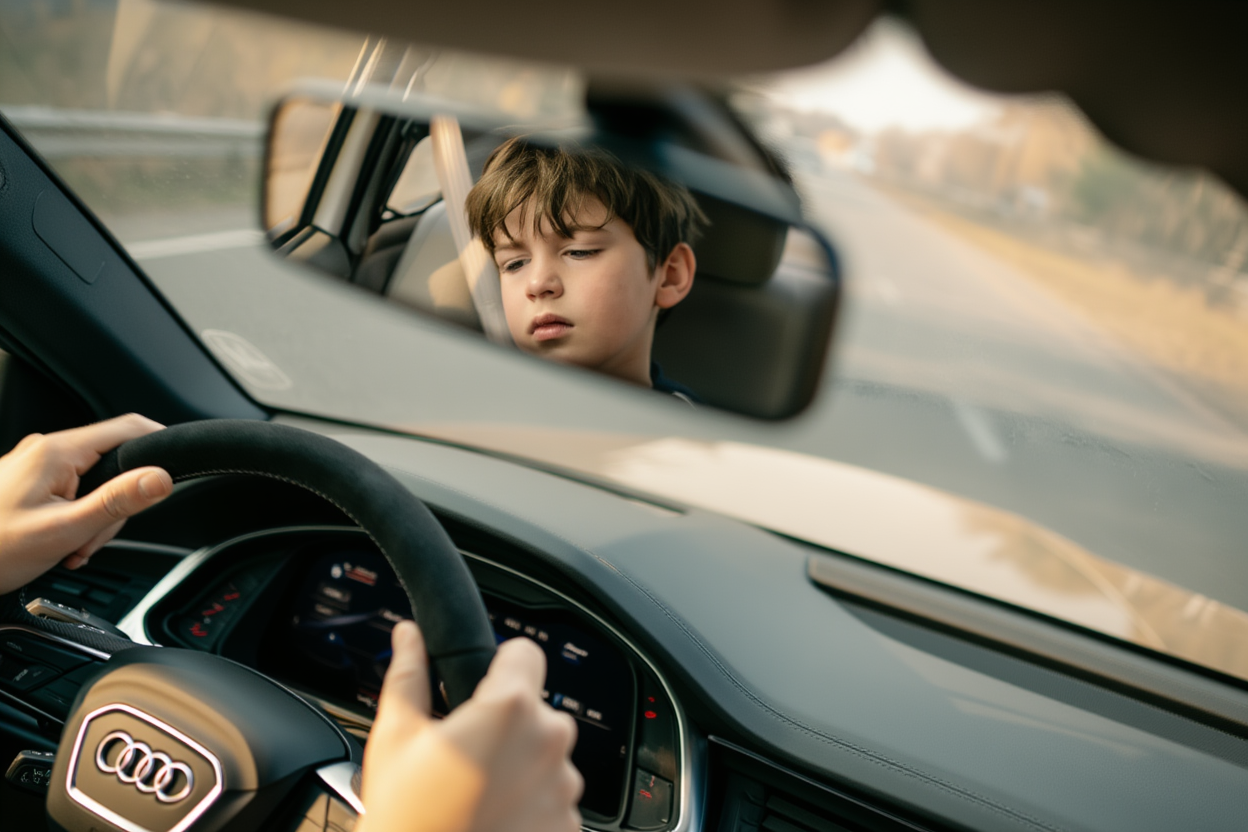
Coaches shape how young athletes hear feedback, and so do parents. Every car ride, sideline moment, and post-game chat sends a signal.
Read article →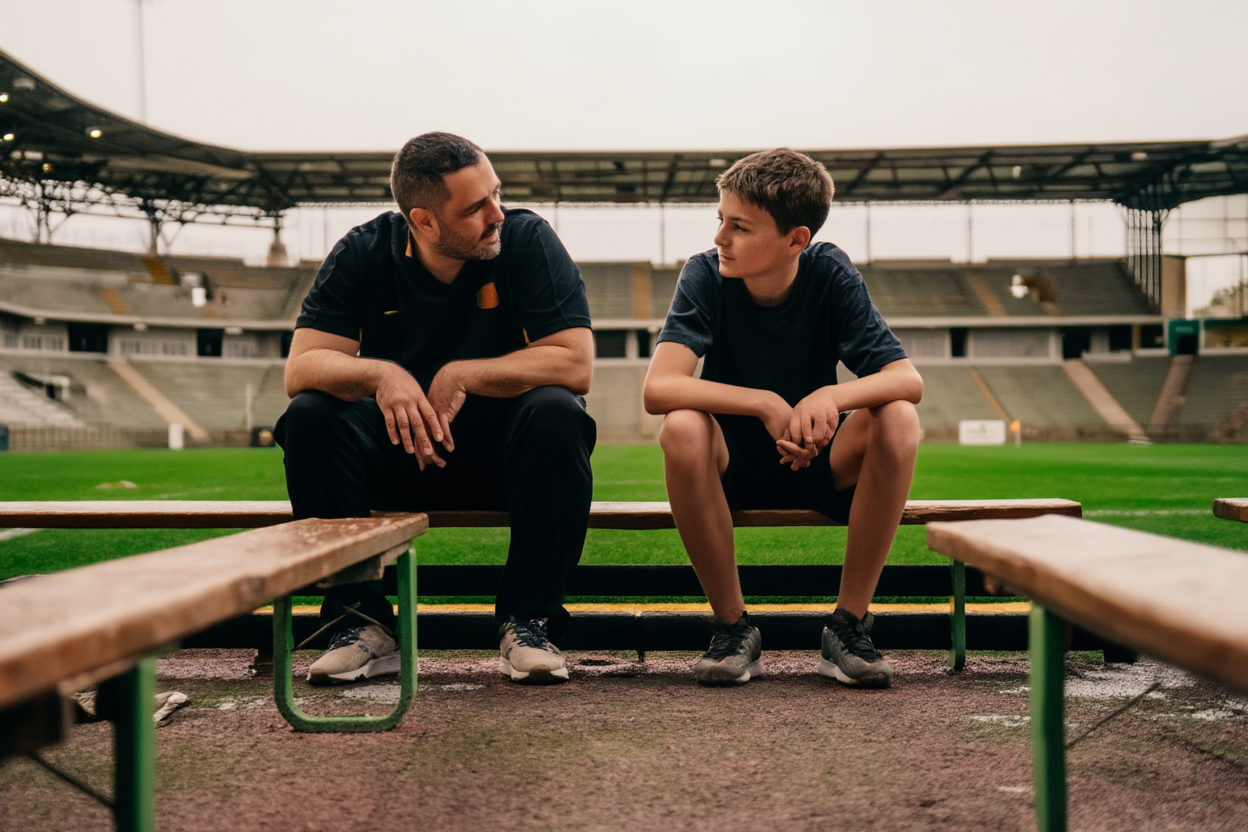
Most coaches correct automatically. Specific praise takes conscious effort. That imbalance shapes athletes in ways most coaches don’t intend.
Read article →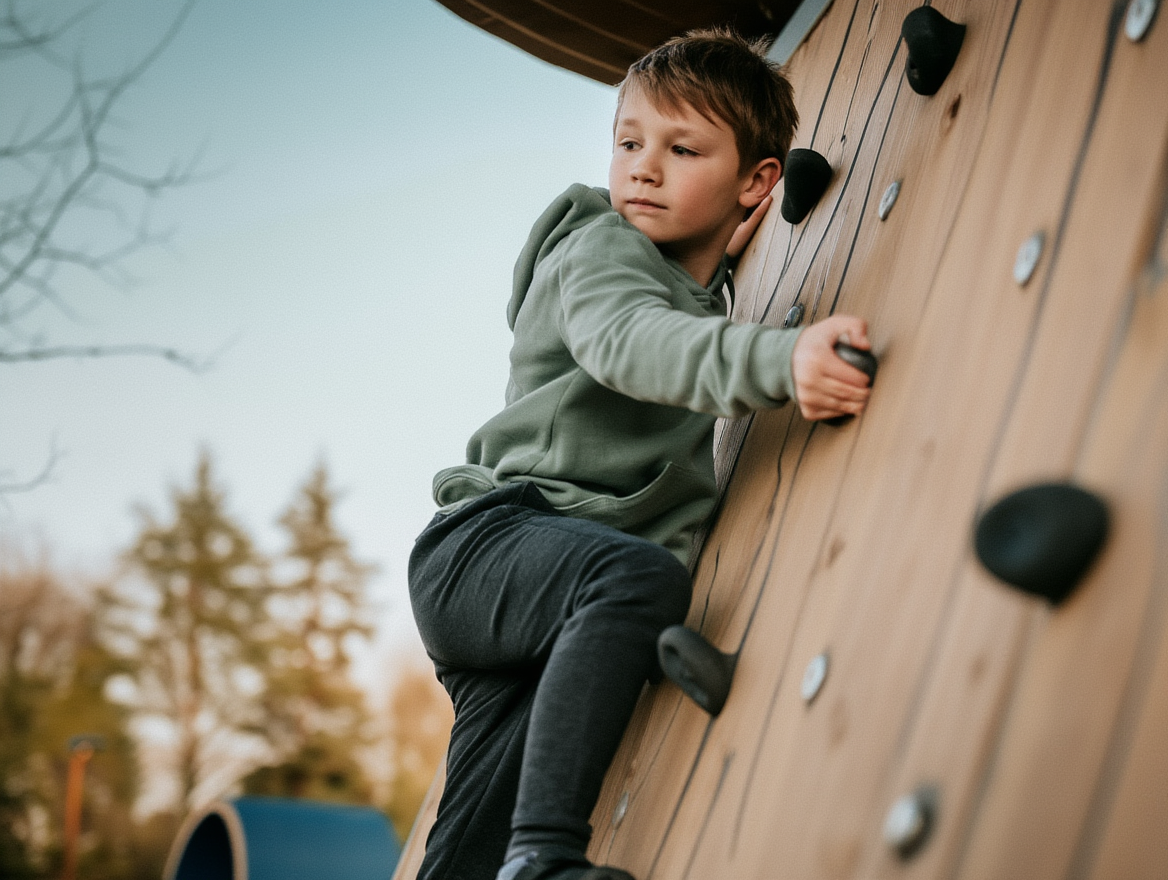
Movement competency is not a sports concept – it’s a health concept. The foundations built before adolescence become structural. They stay.
Read article →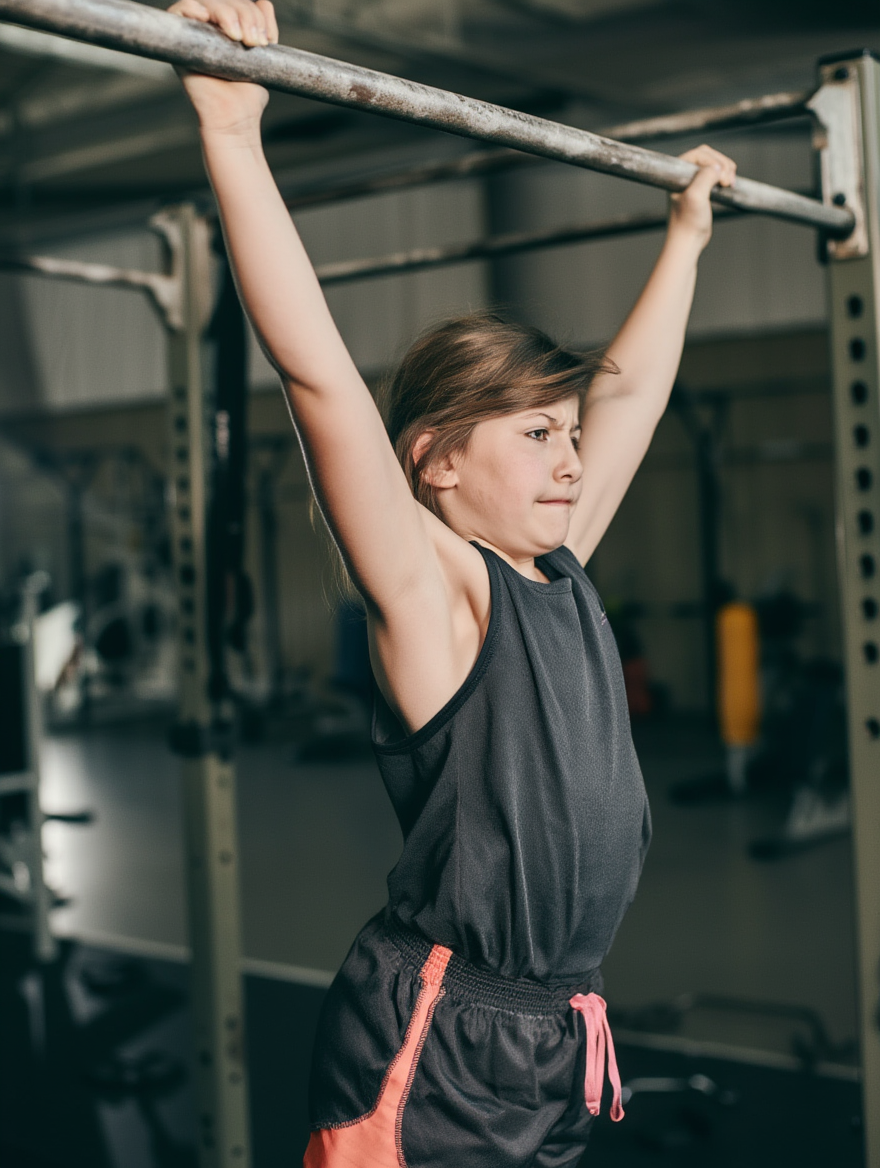
Seven fundamental movement patterns govern sport, the playground, and the rest of life. A surprising number of children in organised sport can’t execute most of them.
Read article →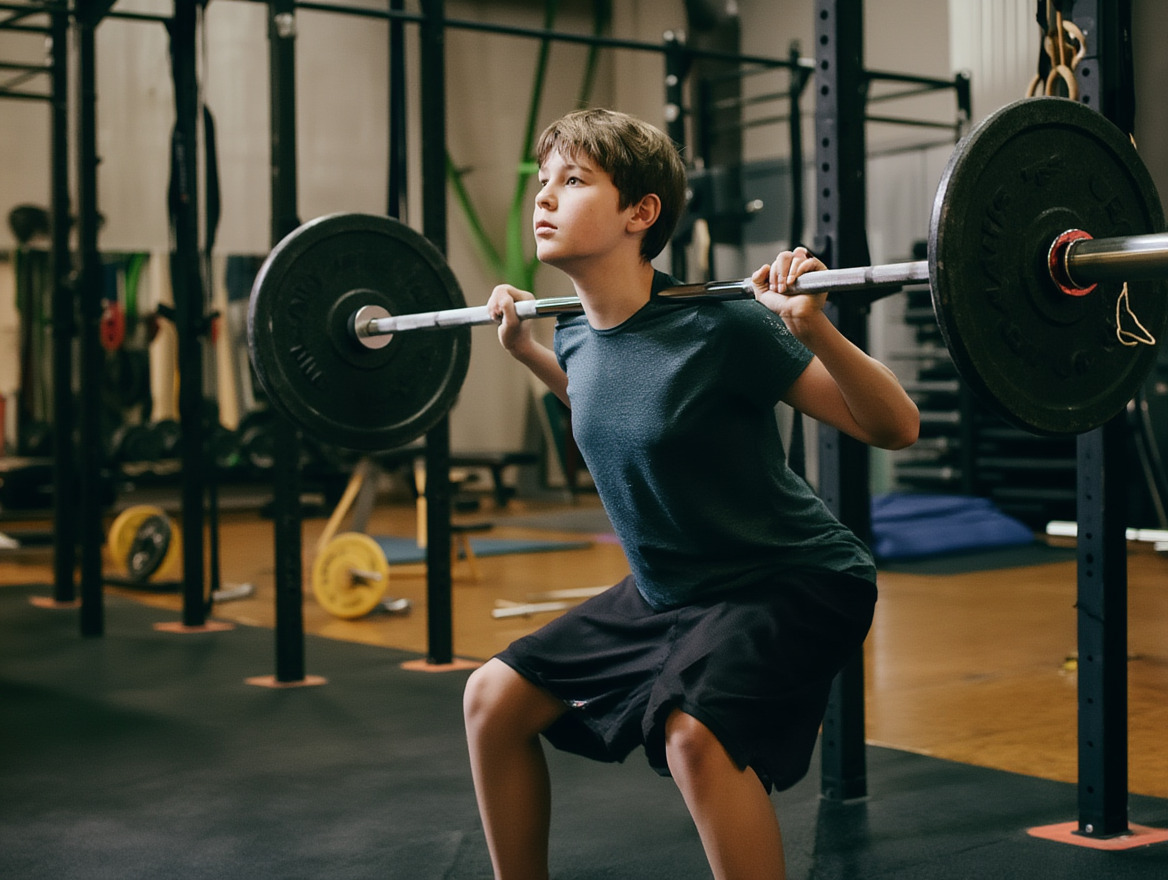
This idea traces back to a single 1964 study on malnourished children doing manual labour. Here’s what the science actually says.
Read article →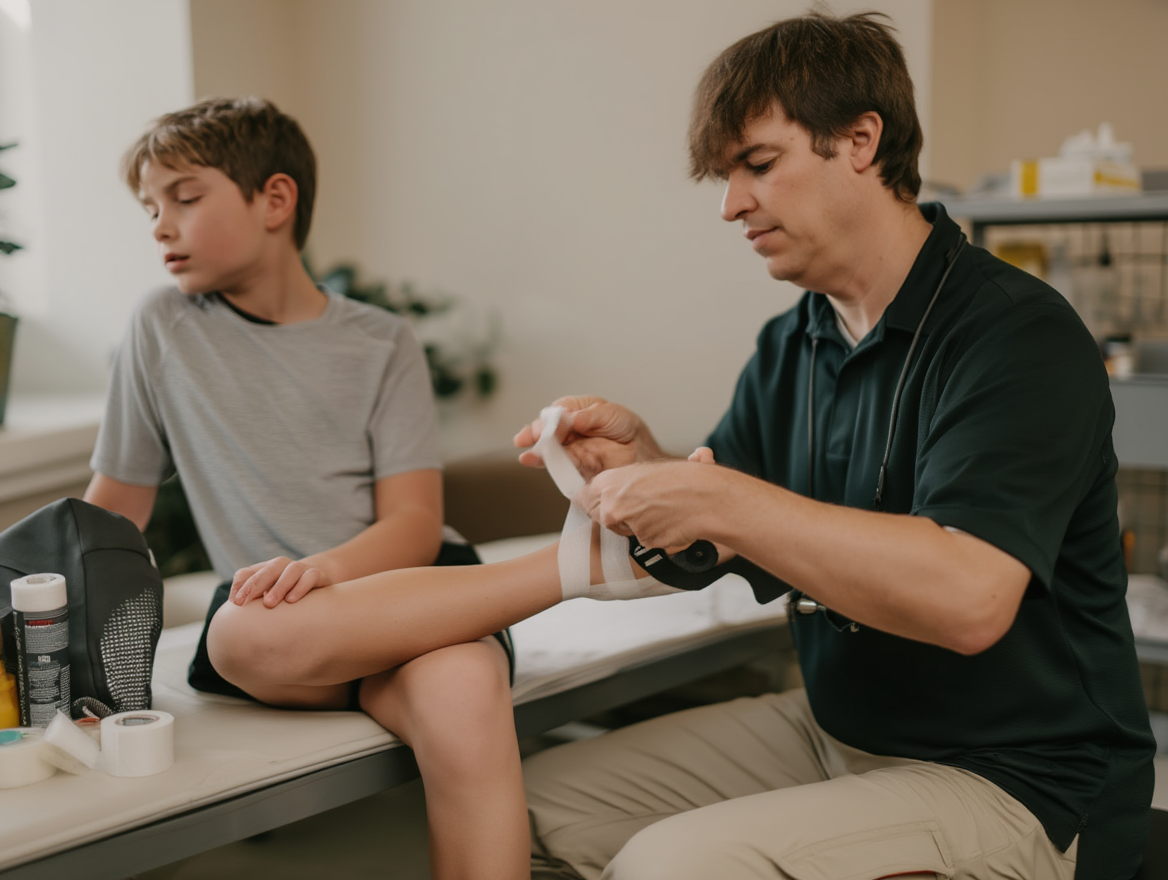
Acute injuries can happen to any athlete. Knowing when to seek care, how tissue types differ, and how movement quality reduces risk is what every parent and coach needs.
Read article →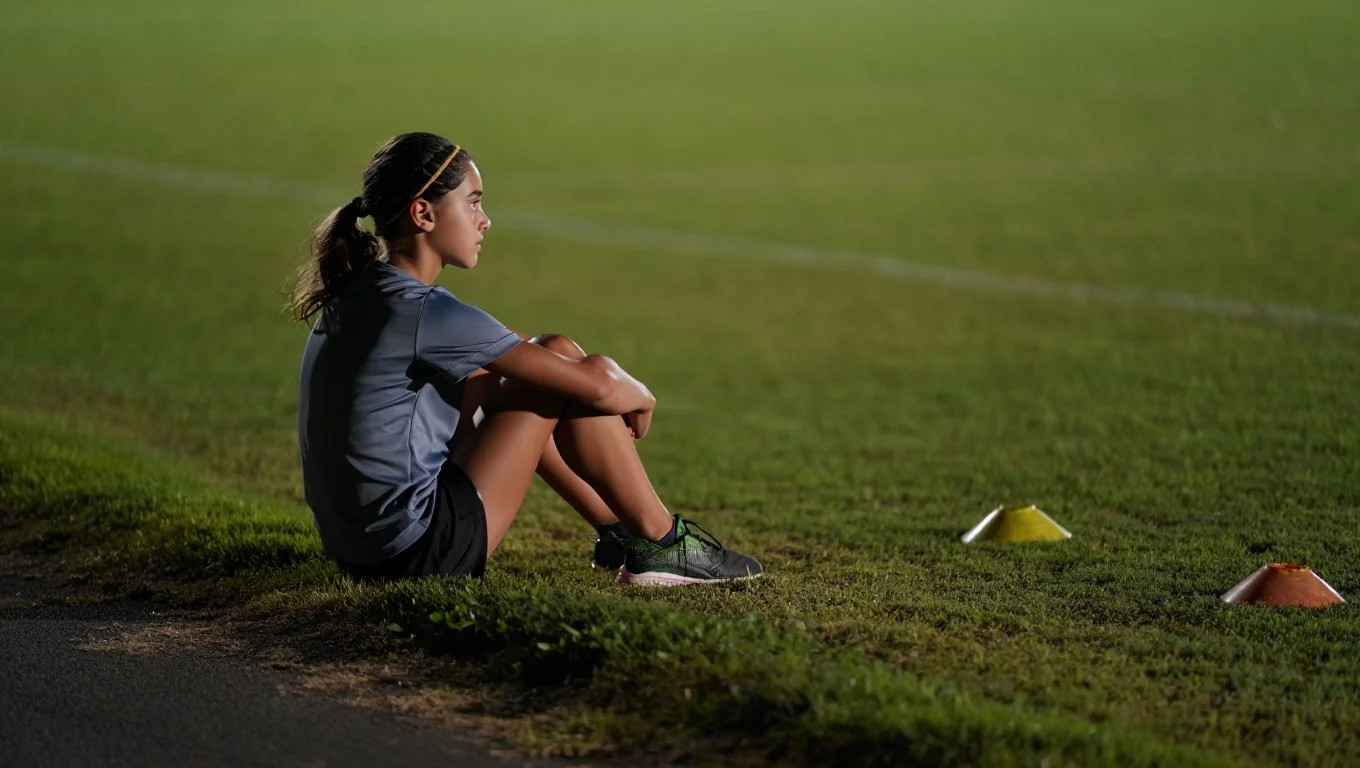
R1’s readiness framework wasn’t built in a lab. It was built across five Olympic Games, 30+ sports, and 60 years of combined experience.
Read article →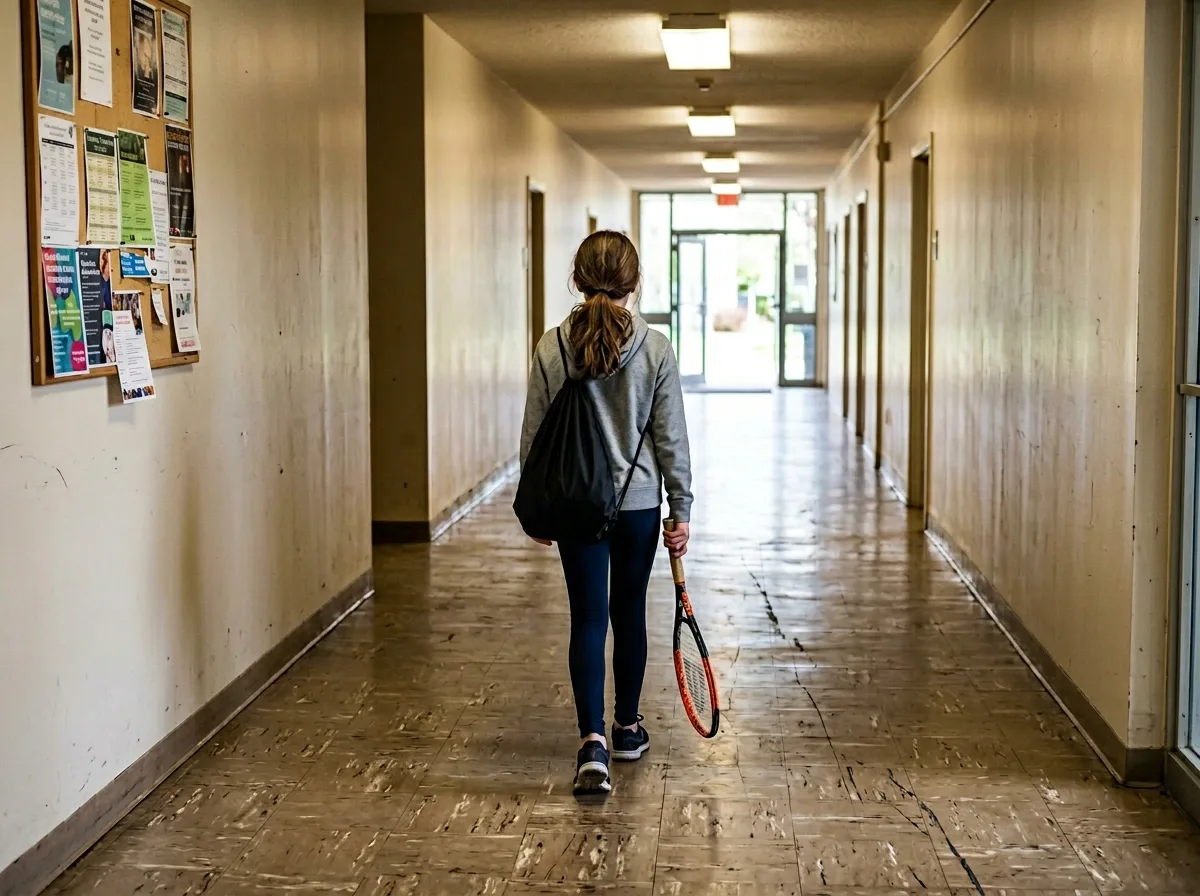
Should kids specialize in one sport or play many? The answer depends on how demand is structured – not which label you choose.
Read article →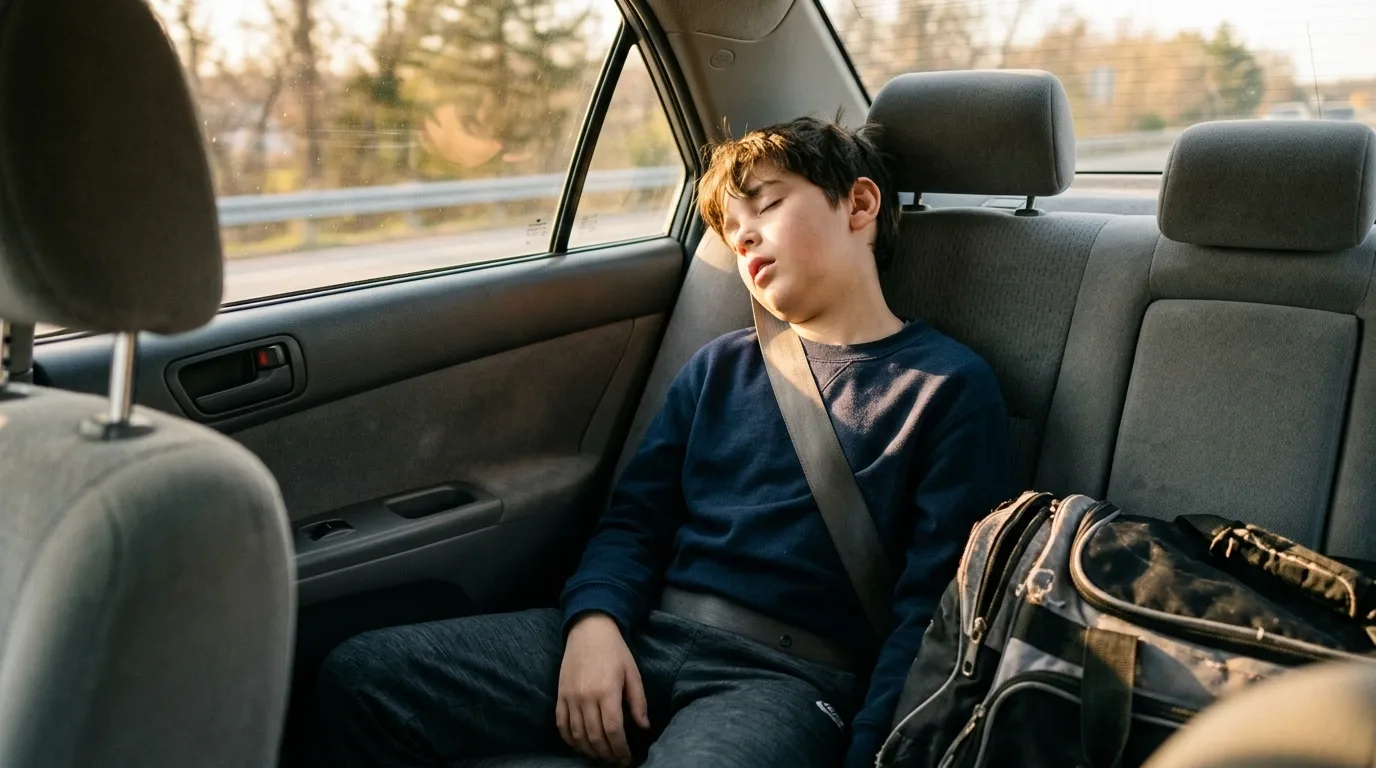
When youth sport systems extract energy without restoring it, burnout isn’t surprising – it’s predictable.
Read article →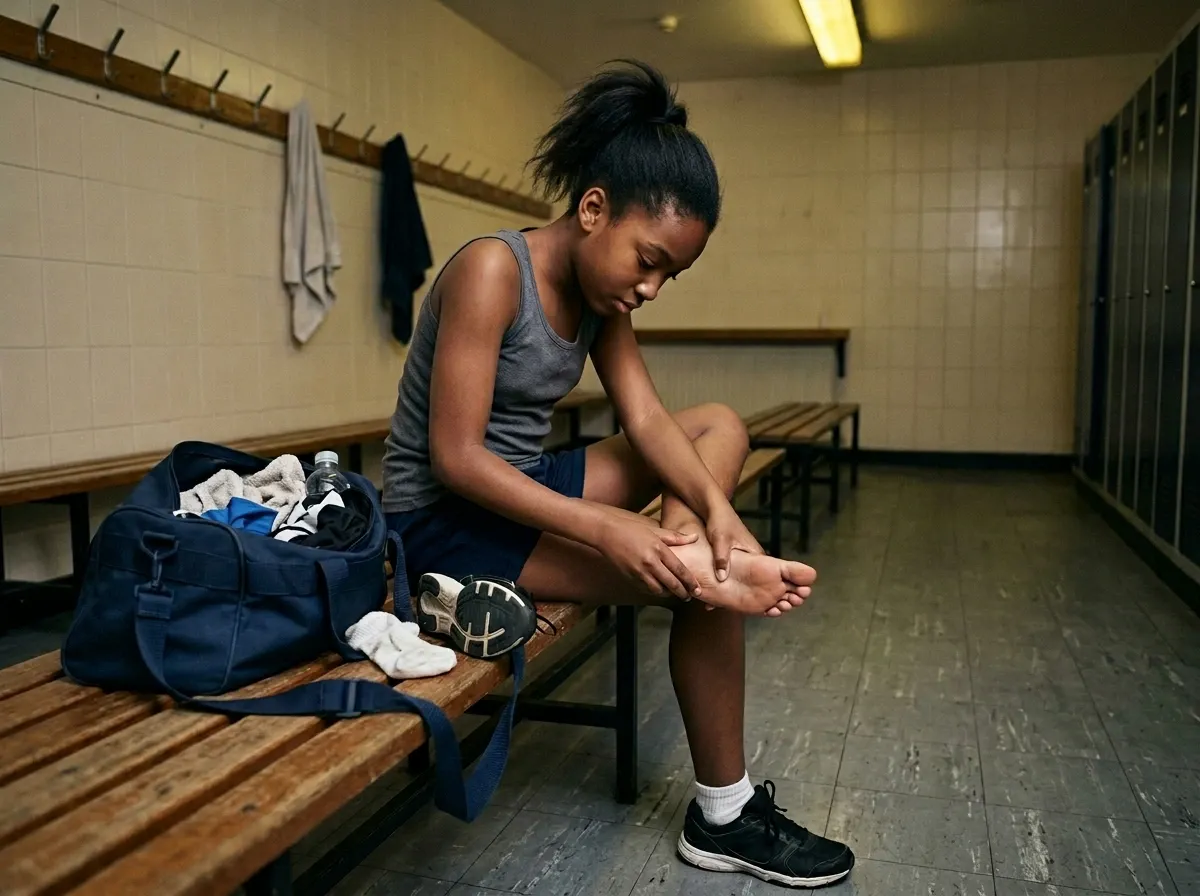
Injury and burnout aren’t individual problems – they’re signals that adult-designed demands have outpaced biological development.
Read article →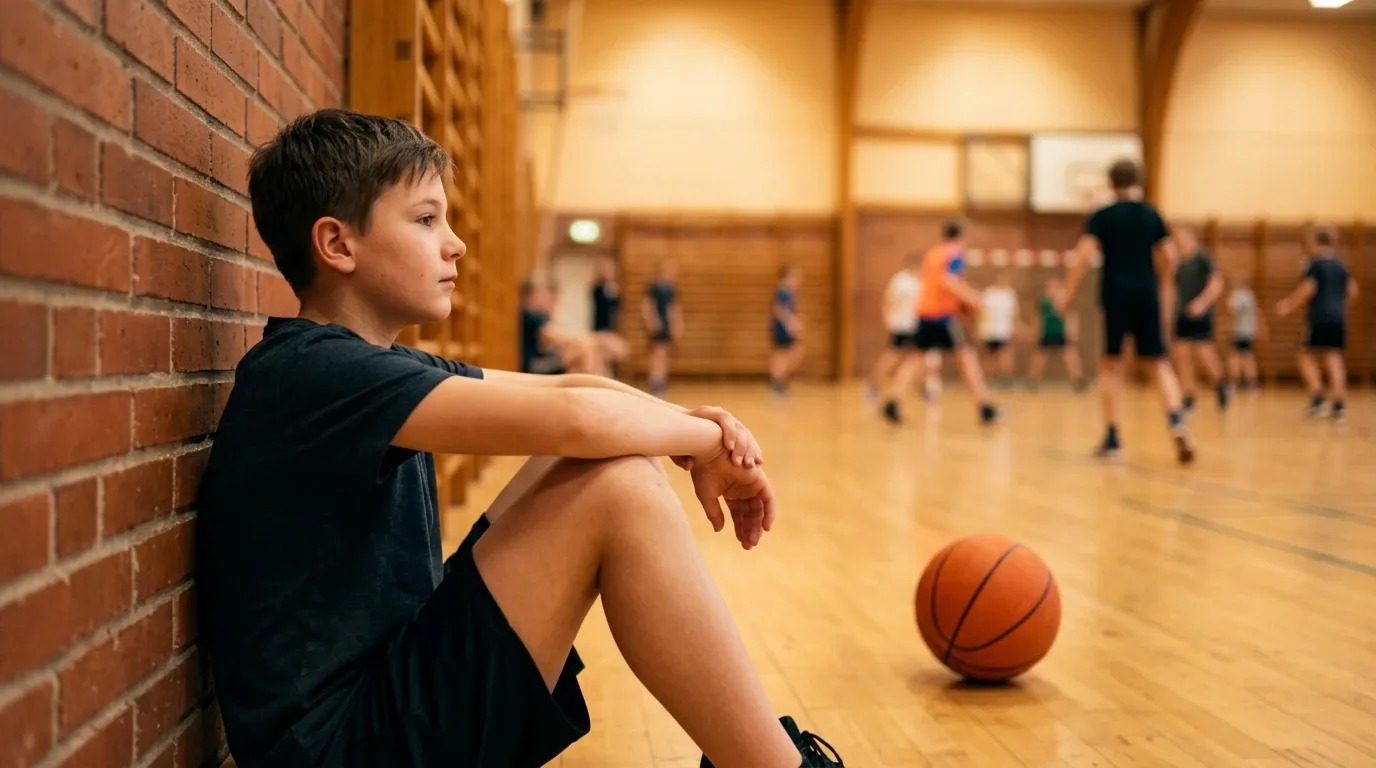
Motivation doesn’t disappear because kids stop caring. It disappears because the system ceases to make sense to their nervous systems.
Read article →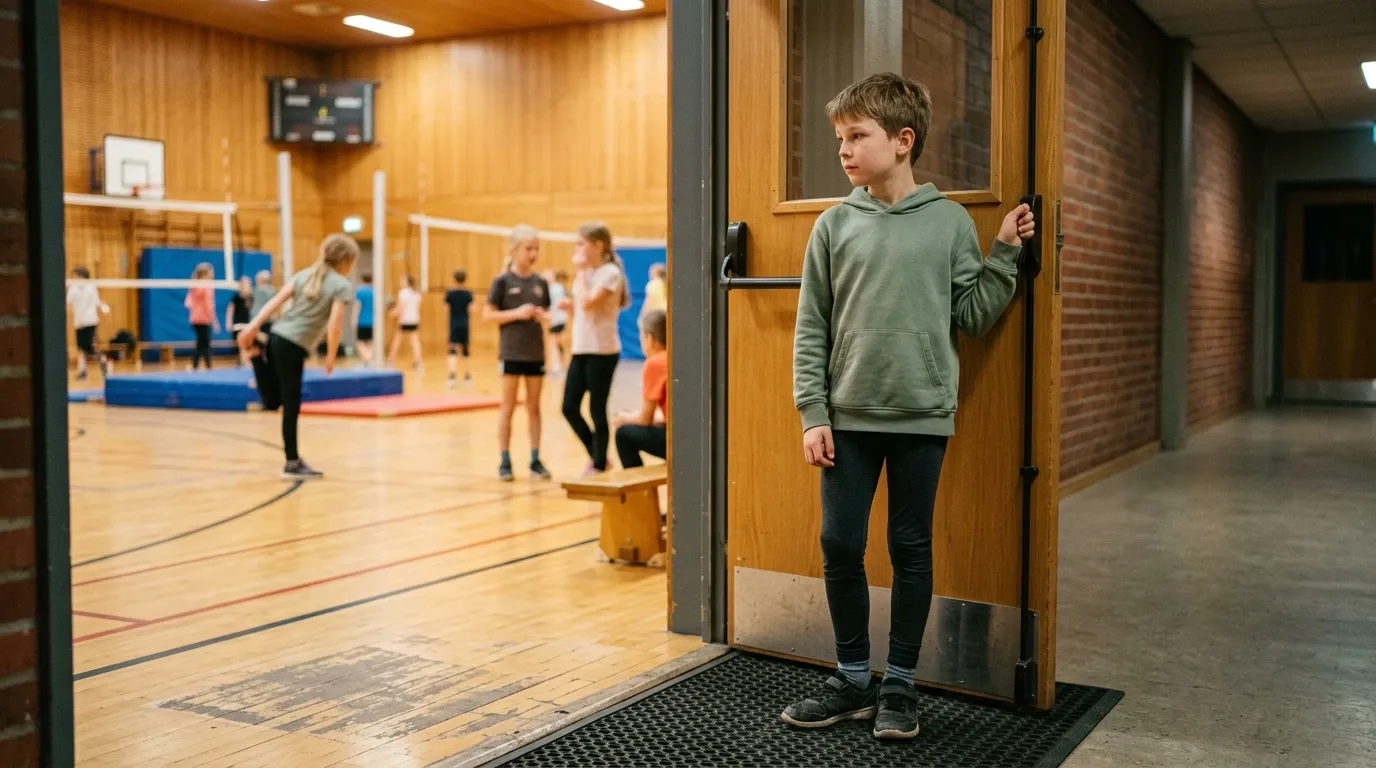
Belonging is not something youth bring with them. It is something adults create around them.
Read article →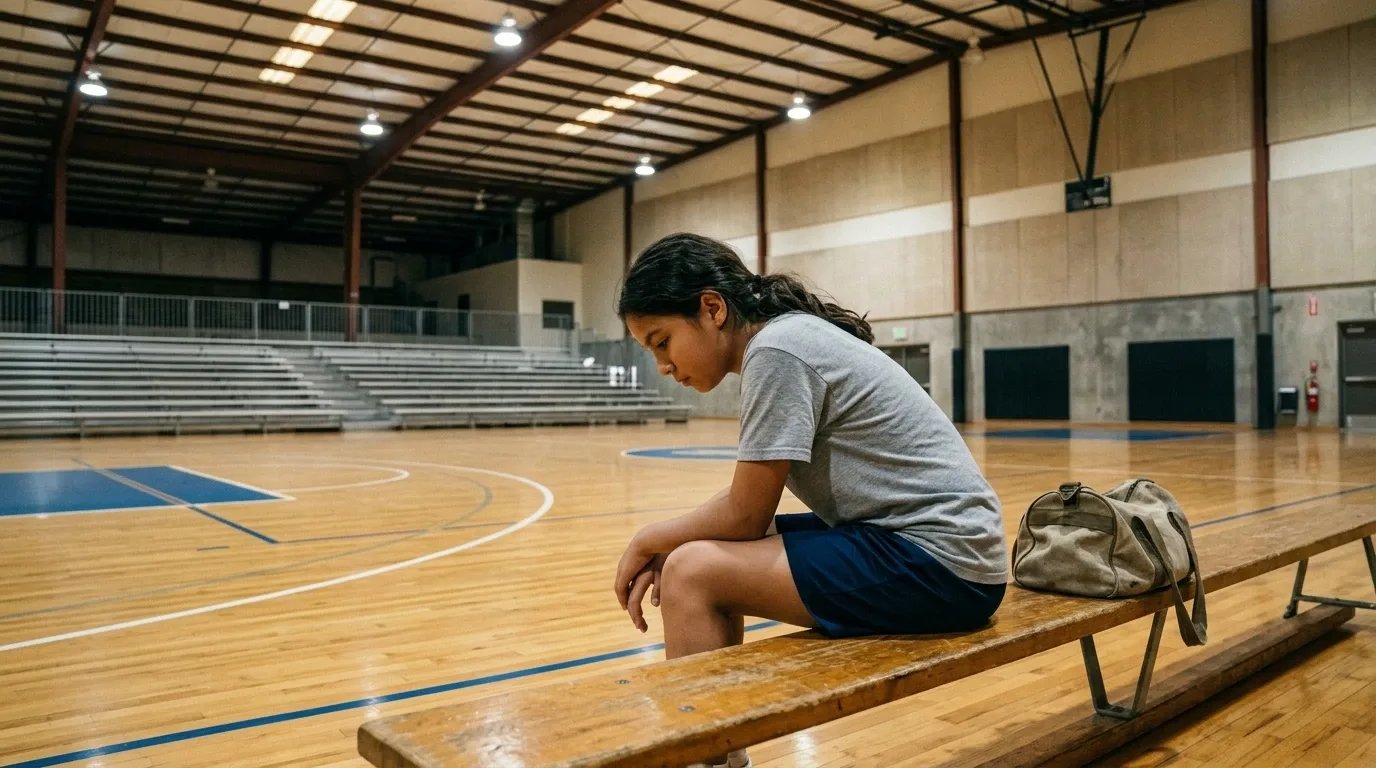
Most governing bodies govern access, not development. Access without development isn’t an opportunity. And participation alone is not a development strategy.
Read article →R1 is building the first national readiness study for youth athletes. 100,000 children. Multiple sports. 2 years.