Understanding readiness
You know the moment before they say they don’t want to go.
Something is off. They can’t name it. You can’t see it. Their coach won’t catch it. And by the time anyone figures it out – they’ve already decided.
Something is off. They can’t name it. You can’t see it. Their coach won’t catch it. And by the time anyone figures it out – they’ve already decided.
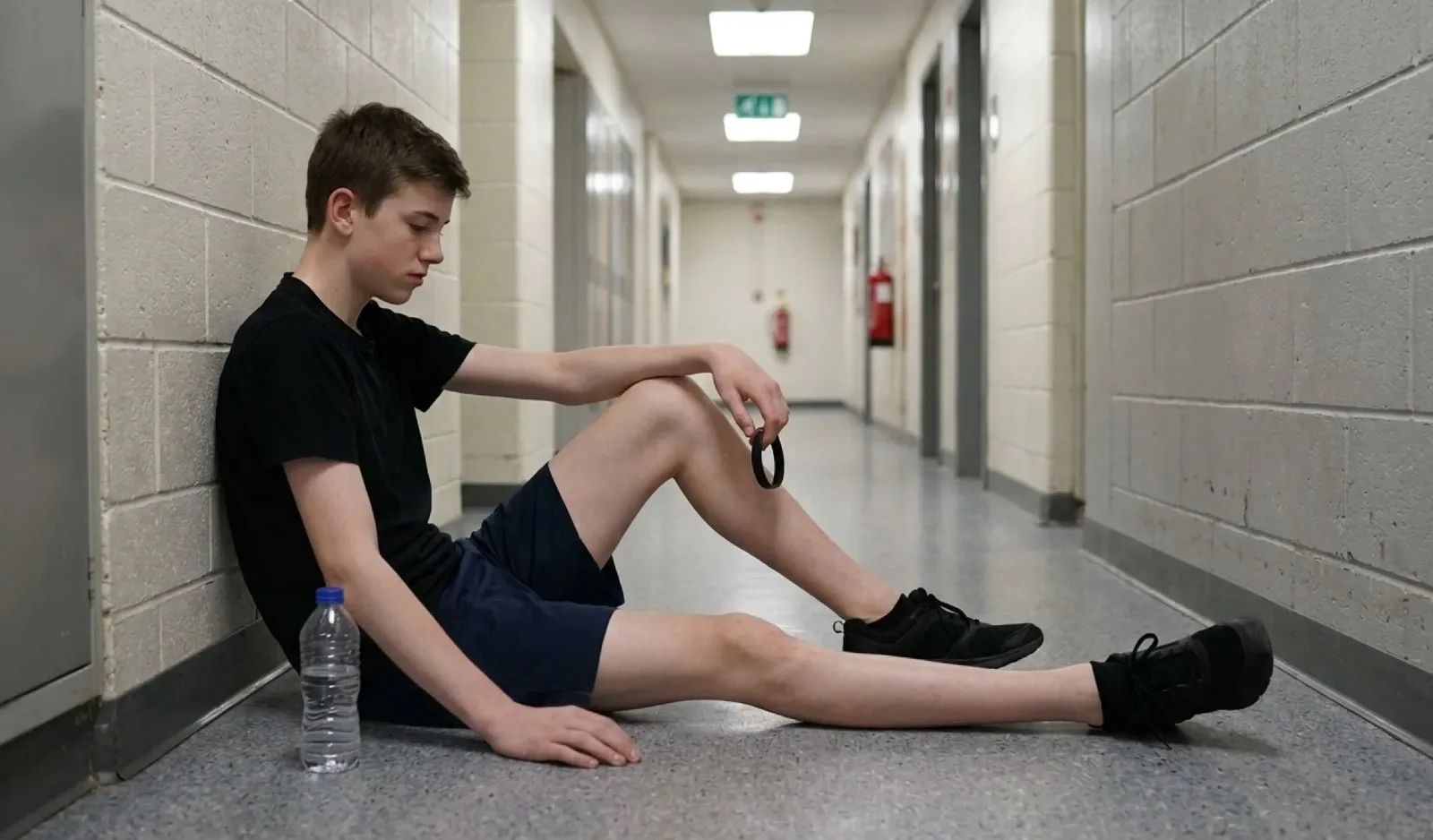
That invisible thing – the convergence of how they feel, how they move, and how they’ve fuelled – is readiness. It’s the relationship between where a child is right now and what their sport, their schedule, and their life are asking of them. Wearables measure what already happened. Readiness measures what’s about to.
Young athletes aren’t miniature adults operating at reduced capacity. They’re developing. Their minds are encountering pressure, self-doubt, and identity for the first time. Their bodies are finding coordination, strength, and trust. Their energy systems are still learning how sleep, food, and emotion connect.
When a child struggles – loses focus, tires early, flinches before contact, melts down after a loss – it’s not a character flaw. It’s a signal. A signal that one part of their system needs support before the rest can follow.
The question isn’t what’s wrong with this child. It’s where are they – and what do they need next?
Readiness isn’t one thing. It’s three systems working together – each one visible in how a child shows up every day. Each pillar produces a state: Build, Grow, or Flow. Together they form a Meta-State of Rebuilding, Rising, or Ready. Not a grade. A picture of where the child is, and what they need today.
The child who bounces back from setbacks, in sport, school, and life – versus the one who carries it home and replays it for days.
The child who moves safely and is strong for their size to support the play, activities and sport they do – versus the one who does whatever it takes to compete with no understanding that their movement strategies are contributing more to injury than performance.
The child who arrives fuelled and steady – versus the one running on skipped meals, broken sleep, and a dehydrated body.
R1 is live. A daily check-in that takes minutes. Each domain rolls into a Meta-State the child can see, the parent can read, and the coach can act on.
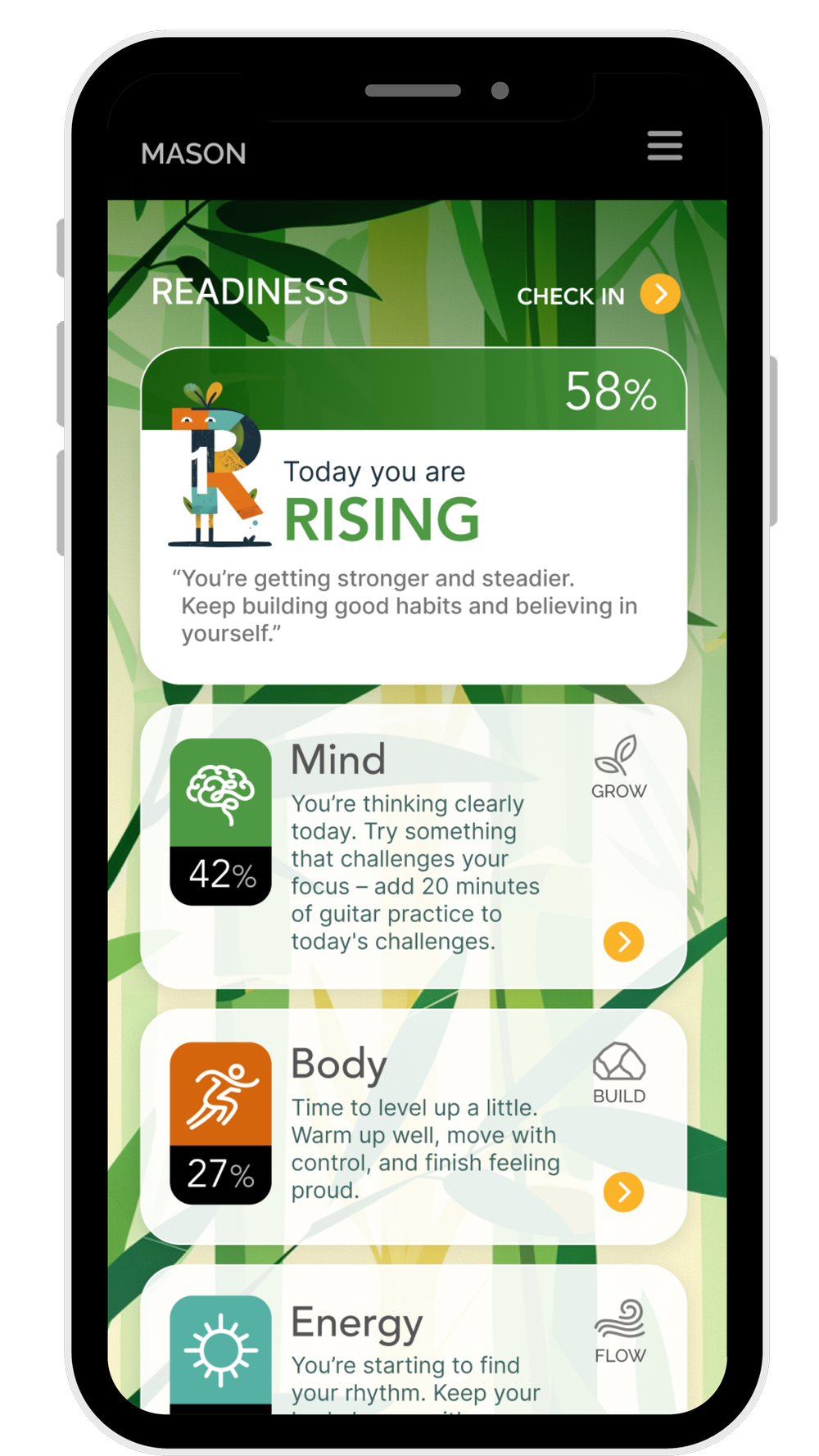
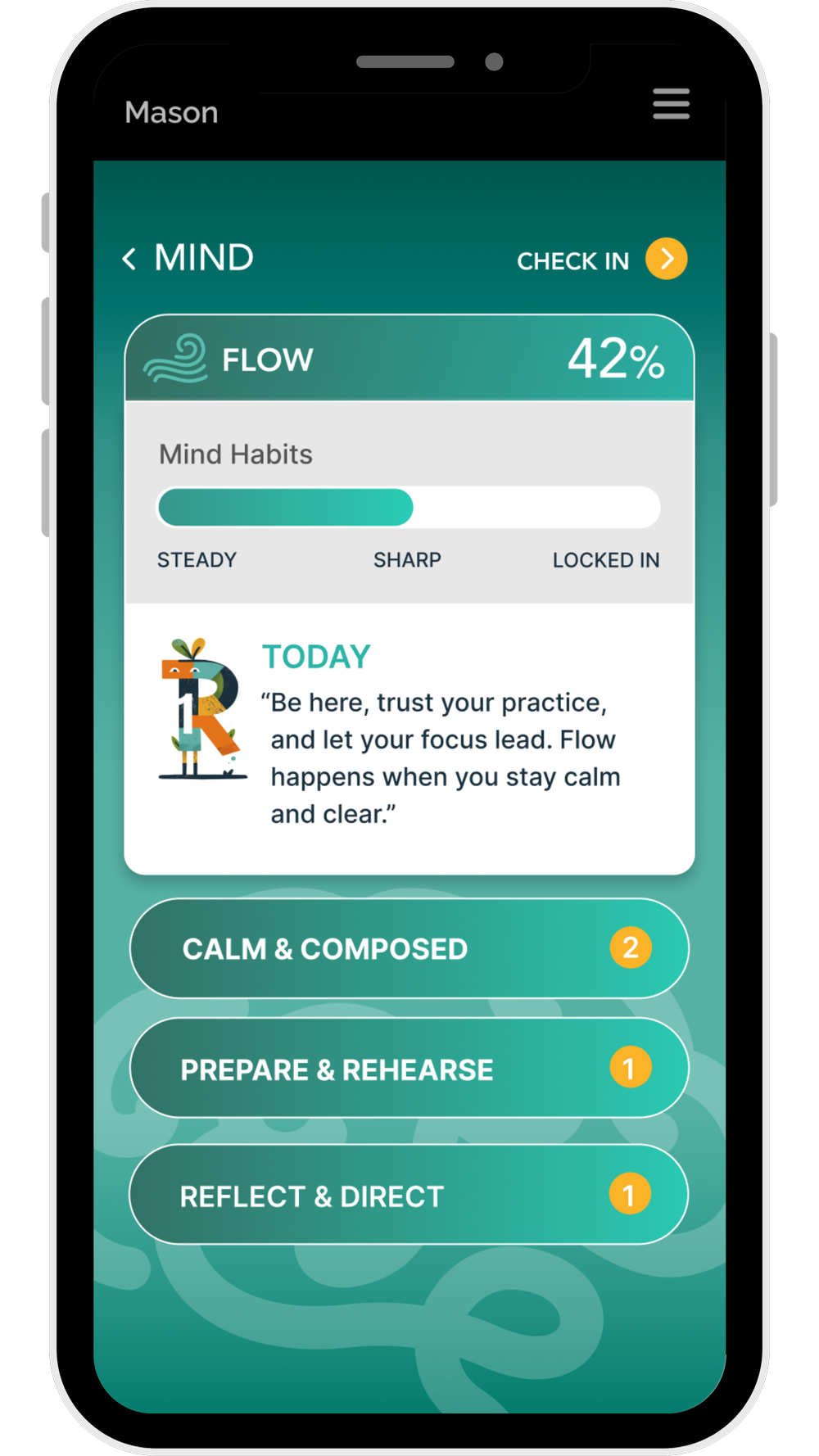
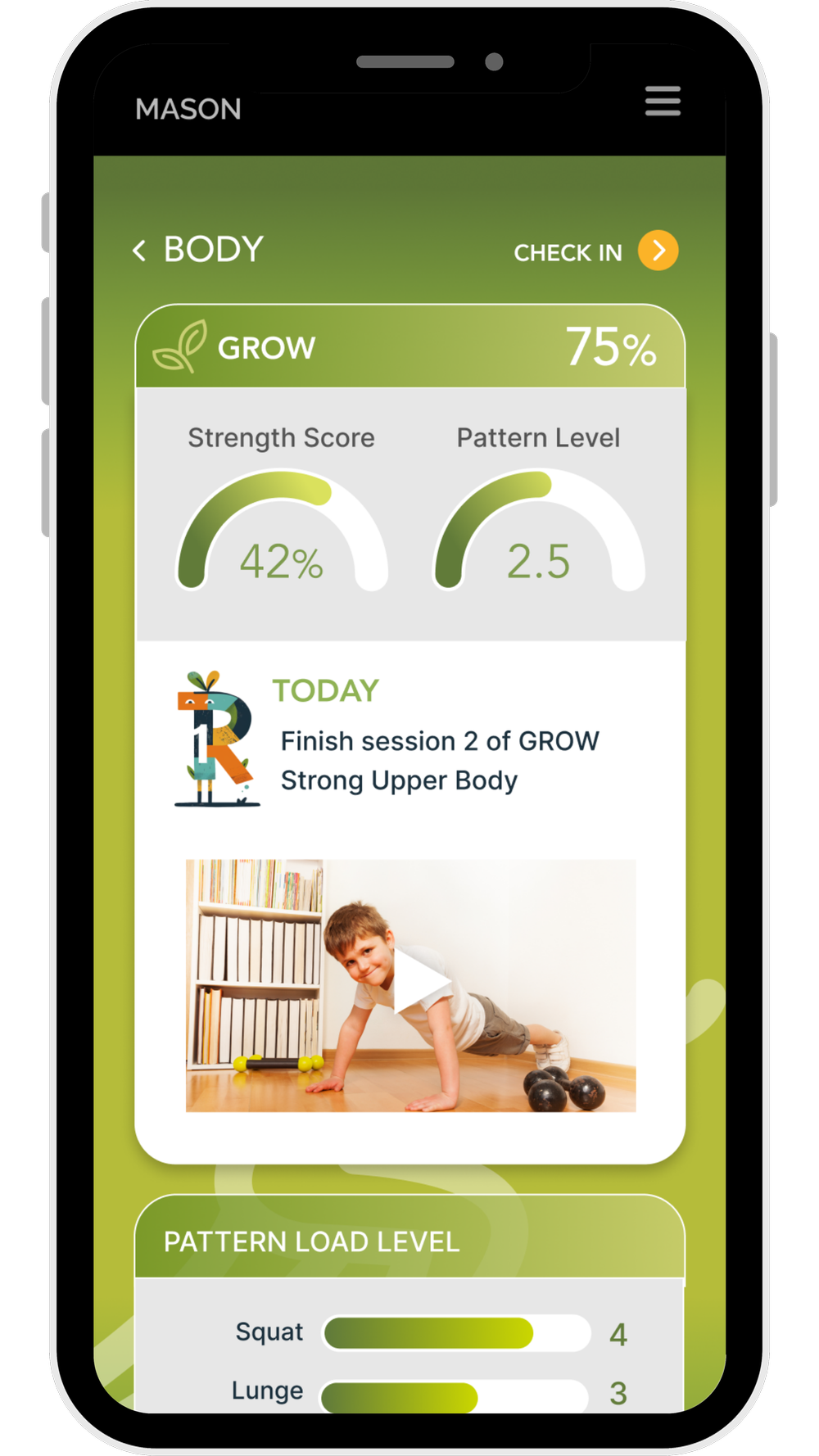
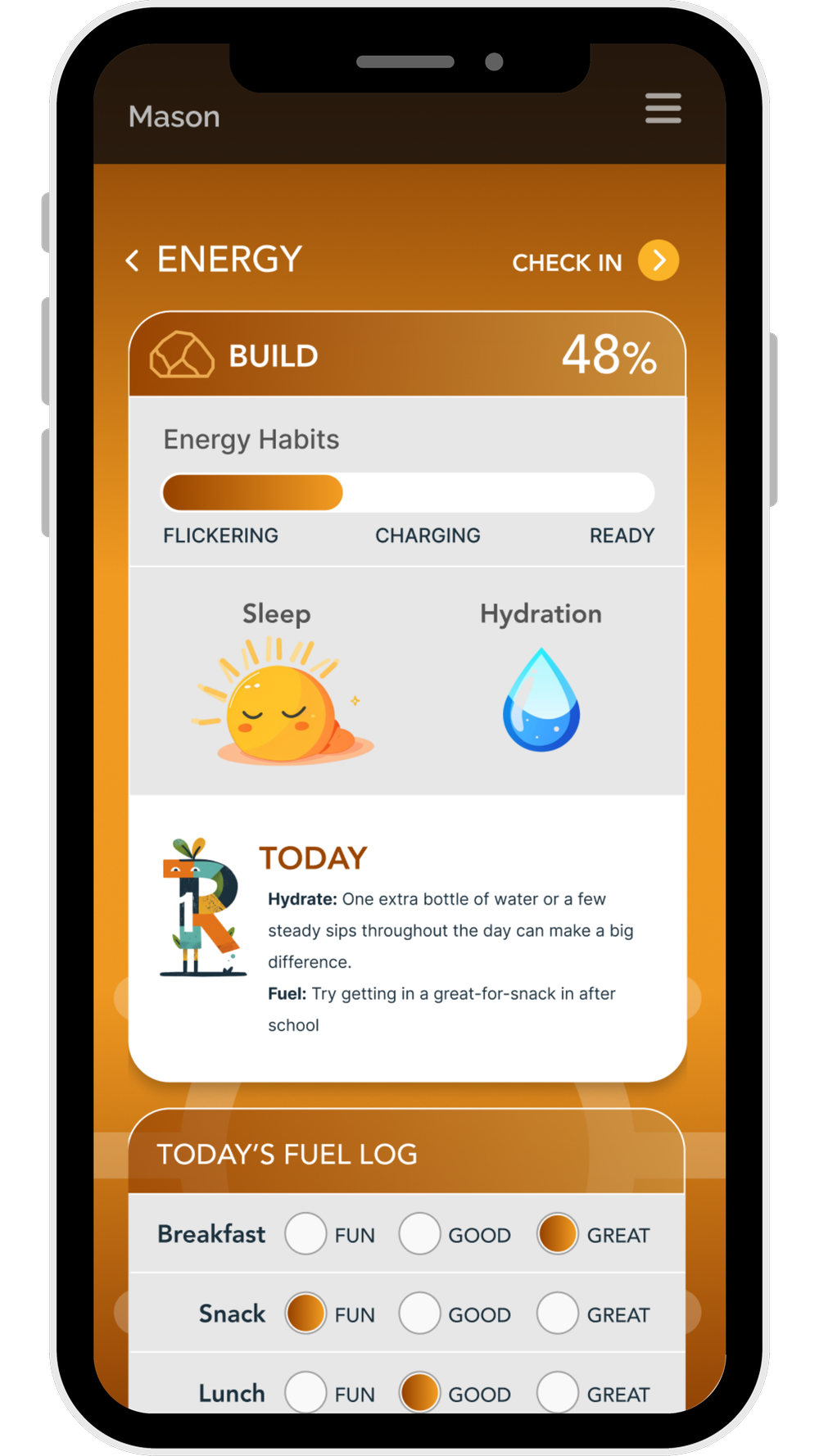

Built for a child to use, not just to be measured by.
A child sleeps badly. They wake up sluggish, skip breakfast, arrive at school or practice distracted and short-tempered. Their movement quality drops. They are distracted, motivation drops, and something starts to hurt.
Their coach adjusts the session. Their parent checks in at home. Both are paying attention. But Mind, Body, and Energy don’t send separate signals – they pull on each other. Without something connecting all three, the picture stays incomplete.
Now multiply that day across three months. A child slightly behind their demands every day for that long doesn’t look injured. They look tired and disengaged. Then one day, they don’t come back.
This is readiness without a map. R1 connects Mind, Body, and Energy – not just to name what’s happening, but to give coaches and families a clear picture and a path forward.
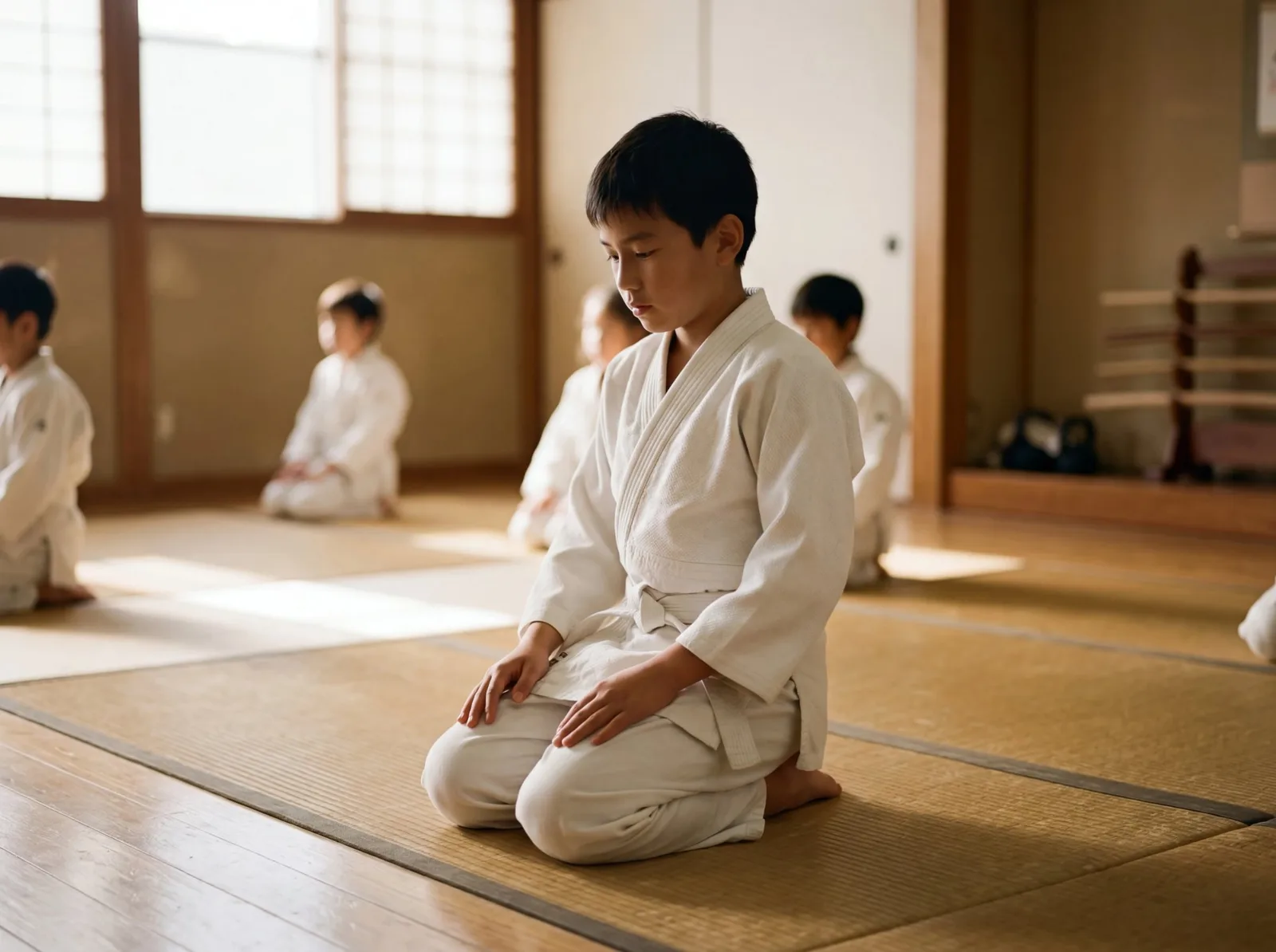
Sources: Aspen Institute Project Play, 2023; Sports & Fitness Industry Association, 2023.
Sport is still being done to young athletes, not with them. Readiness is the leading indicator. Dropout, injury, and burnout are the trailing ones.
The Aspen Institute’s Children’s Bill of Rights in Sports, endorsed by 500+ organisations, athletes, and governments, defines developmentally appropriate play as a right for every child. R1 is the first system that can measure whether any individual child is receiving it.
Read: Who actually owns athlete development in youth sports? →
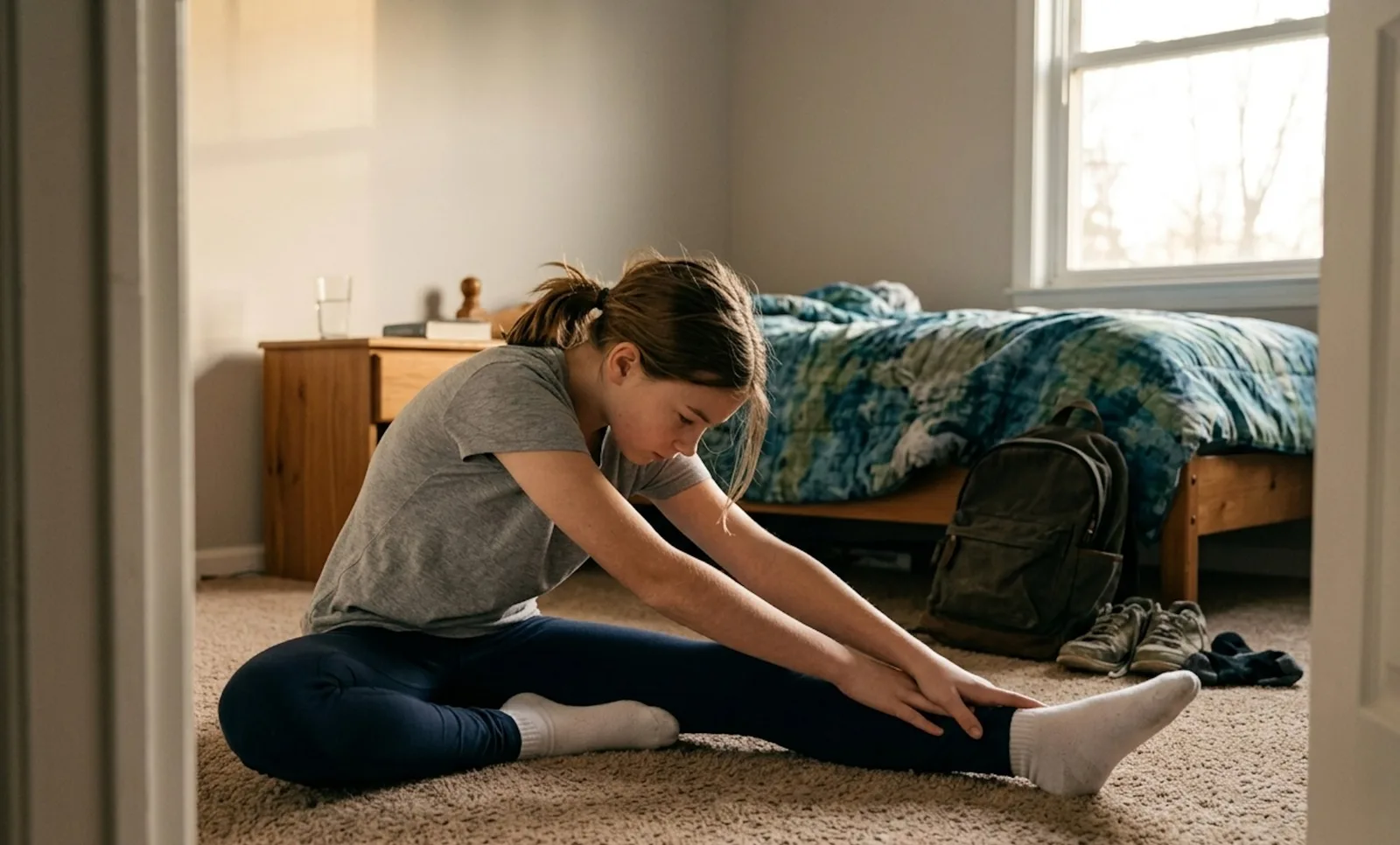
A child who learns to regulate their energy, steady their mind, and trust their body doesn’t just become a better athlete. They become a more resilient student, a steadier friend, and eventually – a more grounded adult.
“I’ve been investing in my child’s sport without knowing whether they were ready. Now I know.”
“This is the signal I’ve been trying to read by instinct. Now it’s visible, in a language I can use.”
“We’ve been measuring participation. This measures what drives it.”
A child who is ready gets more from sport, stays in sport longer, and develops in ways that extend well beyond the field. R1 makes readiness visible for the first time.