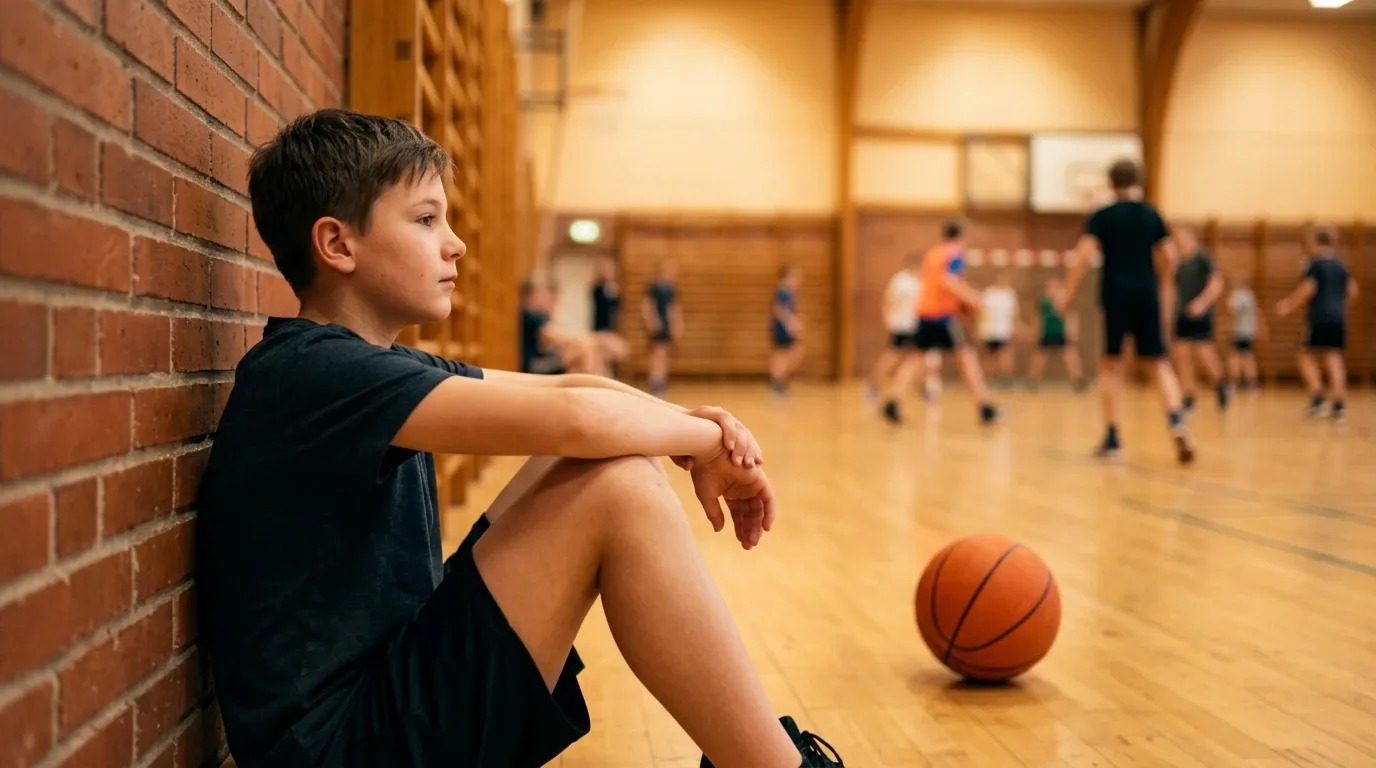
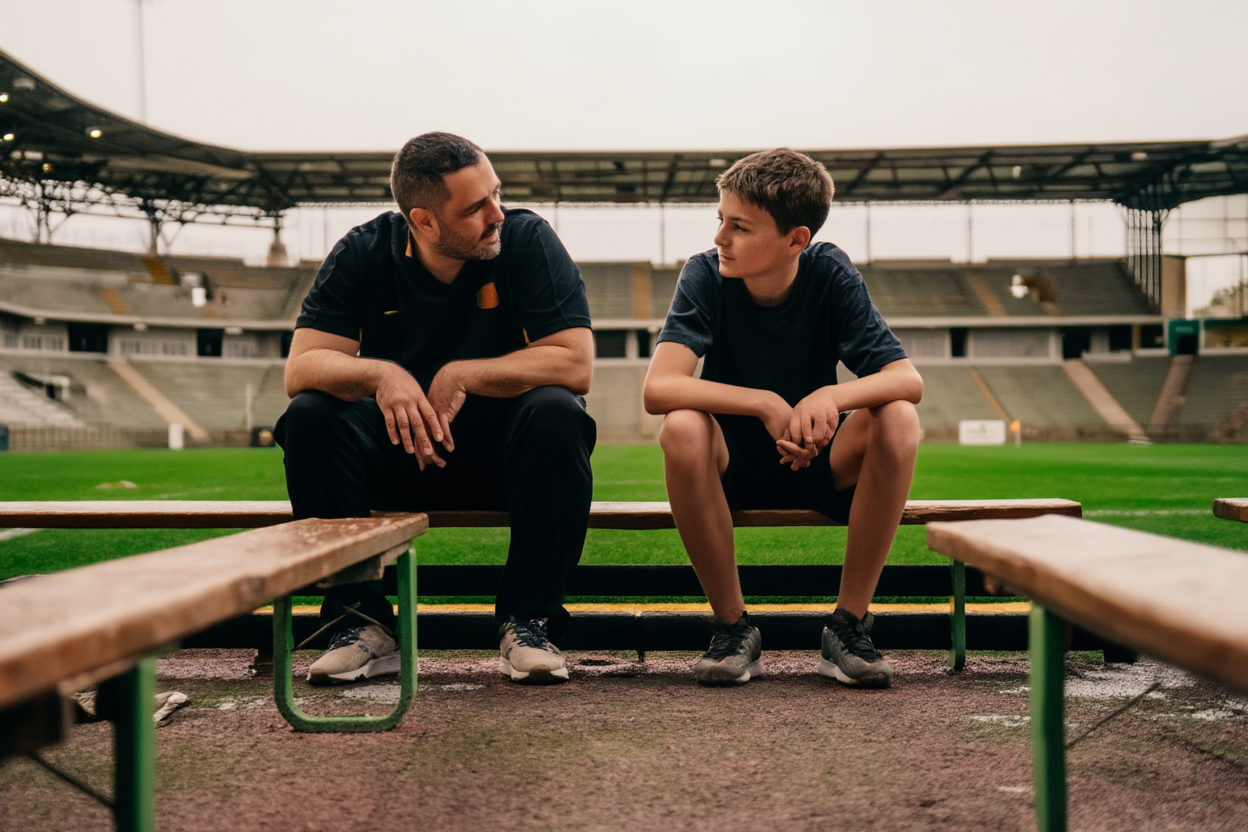
Think about your last training session. How many times did you correct an athlete? How many times did you specifically name something they did well – not a general “good job,” but a precise acknowledgment of a decision, an execution, a moment of effort?
For most coaches, the numbers aren’t close. Correction is automatic. Specific praise takes work. That gap matters more than most coaches realise.
Feedback is not just information. It is the primary signal an athlete uses to understand what they are becoming. When correction dominates and recognition is vague or absent, athletes learn what they are doing wrong. They do not learn what to keep doing – or what they are capable of. Both are essential to development.
Practice alone doesn’t produce experts
There is a widely held belief that repetition is what makes athletes great. Do it enough times. Put in the hours. Stay on the court longer than everyone else.
Repetition matters. But repetition alone doesn’t produce improvement. It produces automation – athletes who can do what they already know how to do, faster and more reliably. Without targeted feedback attached to specific actions, practice reinforces existing patterns rather than building new ones. Athletes get better at what they’re already doing. They don’t necessarily get better at what they need to develop.
The difference is feedback. Not general feedback. Not end-of-session reviews. Feedback that is immediate, specific, and tied to exactly what just happened – what was right, what wasn’t, and what needs to change.
Repetition without feedback is not practice. It’s rehearsal of what already exists.
What expert feedback actually looks like
Elite development coaches share a set of feedback characteristics that are distinct from casual or instinctive coaching. These aren’t complicated techniques. They are deliberate habits – and they require the same intentional effort that coaches ask of their athletes.
What most feedback sounds like
- General – “Good effort today.”
- Outcome-focused – “You missed that.”
- Delayed – end of session, after the moment.
- Correction-heavy – errors named, strengths assumed.
- Evaluative – judgement without direction.
- One-way – coach talks, athlete listens.
What expert feedback looks like
- Specific – tied to a precise action or decision.
- Process-focused – names what was done, not just what happened.
- Immediate – close to the moment it’s relevant.
- Balanced – strengths named with the same precision as errors.
- Instructional – correction comes with direction.
- Dialogic – the athlete is asked what they noticed too.
The praise problem
Correction is easy to justify. Something goes wrong, you name it, you redirect. It feels productive. It looks like coaching.
Praise is harder to justify because it can feel like a break from the work. Like you’re rewarding instead of developing. Like there’s a risk of making athletes complacent or falsely reassured.
But this is a misunderstanding of what praise actually does in a development context. Specific, accurate praise is not a pat on the back. It’s technical instruction pointing forward. When a coach says “that defensive decision – you read the play early and held your shape – that’s exactly the pattern we’re building,” the athlete now knows precisely what to do more of. That’s as instructional as any correction.
General praise – “great game,” “well done,” “nice work” – does almost nothing for development. It is noise athletes quickly learn to discount. Specific praise, attached to a precise action, is information they can use.
Specific praise is not a reward for good performance. It is technical instruction that tells an athlete exactly what to repeat.
The asymmetry coaches don’t notice
There is a reliable asymmetry in how feedback lands. Specific negative feedback – correction, critique, identification of errors – is processed intensely and retained strongly, especially in young athletes who are still forming their athletic identity. Positive feedback, when vague, passes through without leaving much trace.
This means the effective ratio of praise to correction is not 1:1. For feedback to feel balanced to a young athlete, positive input needs to outpace correction by a significant margin – and it needs to be just as precise.
When correction dominates a session and praise is either absent or generic, athletes experience the environment as primarily focused on what they’re doing wrong. That shapes how safe they feel taking risks. How willing they are to attempt skills at the edge of their ability. How much they want to be at training.
A quick self-check
After your next session, ask yourself:
- How many times did I correct a specific action or decision?
- How many times did I specifically name something an athlete did well – with the same precision I use for corrections?
- Did every athlete hear their name attached to something positive at least once?
- When I corrected, did I also provide direction – not just what was wrong, but what to do instead?
- Did I ask athletes what they noticed – or did all feedback flow in one direction?
What practice looks like when feedback is deliberate
Deliberate practice is fundamentally different from regular practice in one key way: it is designed around the gap between where an athlete is and where they need to be, with feedback as the mechanism that closes that gap. Both sides of the gap matter. Knowing what’s not working without knowing what is already working leaves an athlete without a foundation to build on.
This is not about softening feedback or protecting athletes from honest assessment. The most effective development environments are honest – sometimes uncomfortably so. What makes them different is that they are equally rigorous about naming strengths as they are about identifying weaknesses. Precision goes both ways.
Changing the habit
- Set a specific praise target for each session. Before training, decide that you will specifically name one thing each athlete does well – not at the end, but in the moment it happens. This forces observation of what’s working, not just what needs correcting. It becomes a coaching discipline in its own right.
- Name the action, not the outcome. “You scored” is an outcome. “You held your run until the defender committed, then went – that’s the timing we’ve been working on” is process feedback. Both positive and negative feedback should describe what the athlete did, not just what happened as a result. Outcomes are partly luck. Processes are entirely within their control.
- Attach correction to direction. Correction without direction is just judgement. “You lost your shape there” tells an athlete what was wrong. “You lost your shape – next time, hold your line until the ball moves across” tells them what to do instead. The second version is twice as useful, and not much harder to deliver.
- Ask before you tell. Before giving feedback on a rep or a decision, ask the athlete what they noticed. “What did you feel on that one?” This does two things: it develops self-awareness, and it often reveals that the athlete already knows what went wrong – which means the conversation becomes a development dialogue rather than a top-down correction.
- Make the feedback environment feel safe enough to fail in. Athletes who fear correction stop attempting the skills at the edge of their ability. They retreat to what’s already comfortable, where they’re unlikely to be called out. Deliberate practice requires the opposite – repeated attempts at the frontier of current ability, which means failure is constant. If the feedback environment is correction-heavy, athletes will self-protect rather than develop.
The swap that changes everything
Most coaches don’t need to say less. They need to redistribute what they say. The same number of feedback moments – just rebalanced between what’s wrong and what’s right, with equal precision applied to both.
Instead of: “Good job today.”
Try: “Your positioning in the second half was exactly right – you held width and created the space we needed.”
Instead of: “You need to track your runner.”
Try: “You lost your runner at the back post – pick them up earlier, before the cross comes in.”
Instead of: “That was much better.”
Try: “The footwork on that third rep was cleaner – you’re getting your weight forward at the right moment. Keep that.”
Instead of: “You weren’t focused out there.”
Try: “You lost the ball twice when you had your head down – scan before you receive, so you know your options.”
Instead of: “Nice effort.”
Try: “You kept your press on for the full rep even when it wasn’t working – that discipline is what we’re building.”
The athlete who never hears what they’re doing right
There is a particular kind of athlete found in almost every squad. Technically capable. Works hard. Rarely in serious trouble. And almost invisible in the feedback economy of training – because they don’t make enough errors to attract correction, and they perform consistently enough that specific praise feels unnecessary.
These athletes often plateau. Not because they lack ability, but because they receive almost no precise information about what they’re building. No one has named the specific decisions they make well. No one has told them clearly what their strengths actually are – only that they’re “solid” or “reliable.” Without that information, they don’t know what to push further. They maintain. They don’t develop.
Deliberate development requires information flowing in both directions. What to change. And what to keep.
For parents
This applies at home too. Children who hear specific, accurate feedback about what they’re doing well – not just correction when they fall short – develop a clearer understanding of their own strengths. That clarity becomes the foundation they draw on when things get hard. After a game or training session, try naming one specific thing you noticed them do well – something precise, not just “you played great.” The more specific it is, the more useful it becomes.
Develop the coaching habit that changes development.
R1 ReadyFirst is building a readiness visibility system that gives coaches, parents, and athletes a shared language for Mind, Body, and Energy – so development isn’t left to chance.