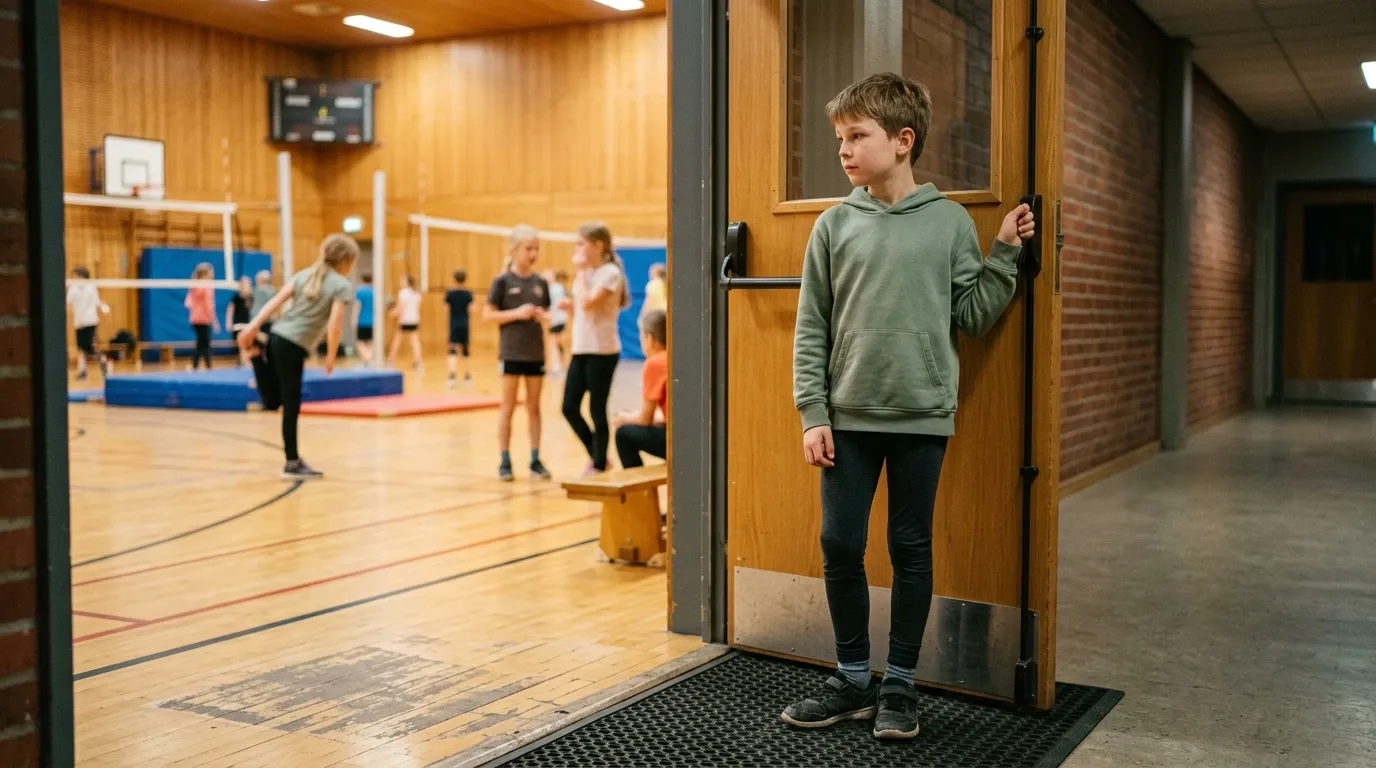
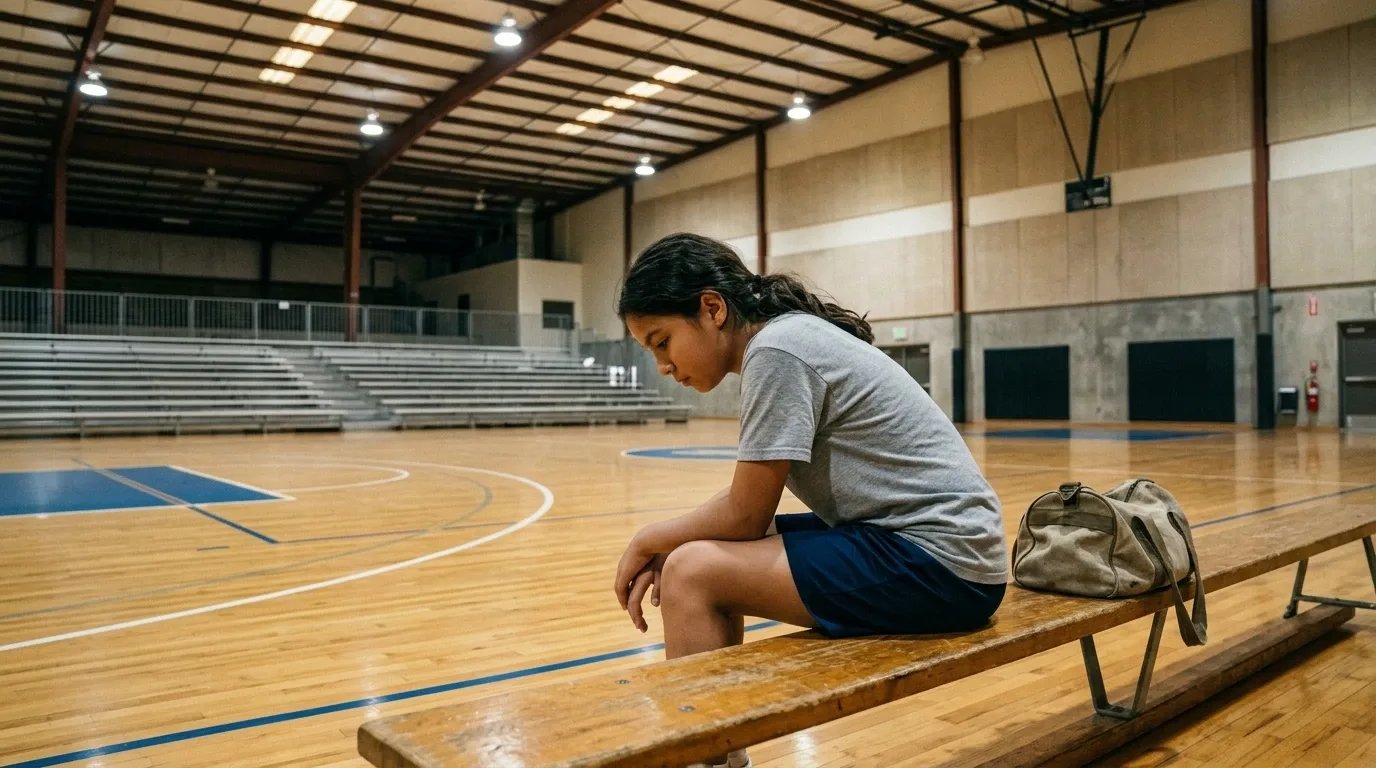
Most National Governing Bodies govern access to participation. Parents pay a registration fee. Kids get to play. But who is responsible for development?
Access without development isn't an opportunity. And participation alone is not a development strategy.
Nearly every CEO in sport believes their sport builds confidence, resilience, and life skills. Yet in practice, development is largely outsourced – indirectly and inconsistently – to clubs, volunteers, and families navigating a noisy, competitive system.
At the U16 level, competition is prioritized over preparation, coaches are often early-career or under-supported, training volume increases faster than readiness, and kids are expected to "figure out" sleep, fueling, recovery, and mindset.
The system rewards those who are early-maturing, resilient enough, or talented enough to survive it.
Only later – after selection – do athletes gain access to what we all agree matters: structured strength and conditioning, sports medicine and injury prevention, mental performance support, and nutrition and recovery education.
By then, many already have cracks in their foundation. They've learned how to perform, not necessarily how to perform sustainably. That's a big reason we're seeing injury, burnout, and dropout earlier than ever.
This isn't a coaching problem. It's a system design problem.
Globally, some federations are responding through academy-style models. They work – but they're expensive, centralized, and complicated to scale equitably.
The deeper question is more straightforward
If a governing body encourages children to take up a sport, does it have a responsibility to support their development, not just whether they can compete?
At The Ready Collective, that question led us to build R1: a way to give young athletes, parents, and coaches a shared language and guidance around Mind, Body, and Energy, so development isn't left to chance or social media.
This isn't about replacing clubs or accelerating performance. It's about protecting development so performance can last.
If you're a CEO, administrator, coach, or parent thinking about the long-term health of sport – not just short-term results – we'd welcome the conversation.
See readiness in action.
R1 is building the first national readiness study for youth athletes. 100,000 children across multiple sports.