
Childhood readiness has declined significantly, and understanding this shift is key to addressing youth development challenges.
I grew up outside.
That’s not nostalgia. It’s the architecture of how my generation got ready for the world. If I were inside, I had chores. If I were outside, I would have room. We ran, we fought, we figured out who was faster, who was slower, who was fair, who wasn’t. By the time anyone signed me up for a sport, my body already knew how to move, and my mind already knew how to handle losing. Readiness was ambient. Nobody had to plan for it.
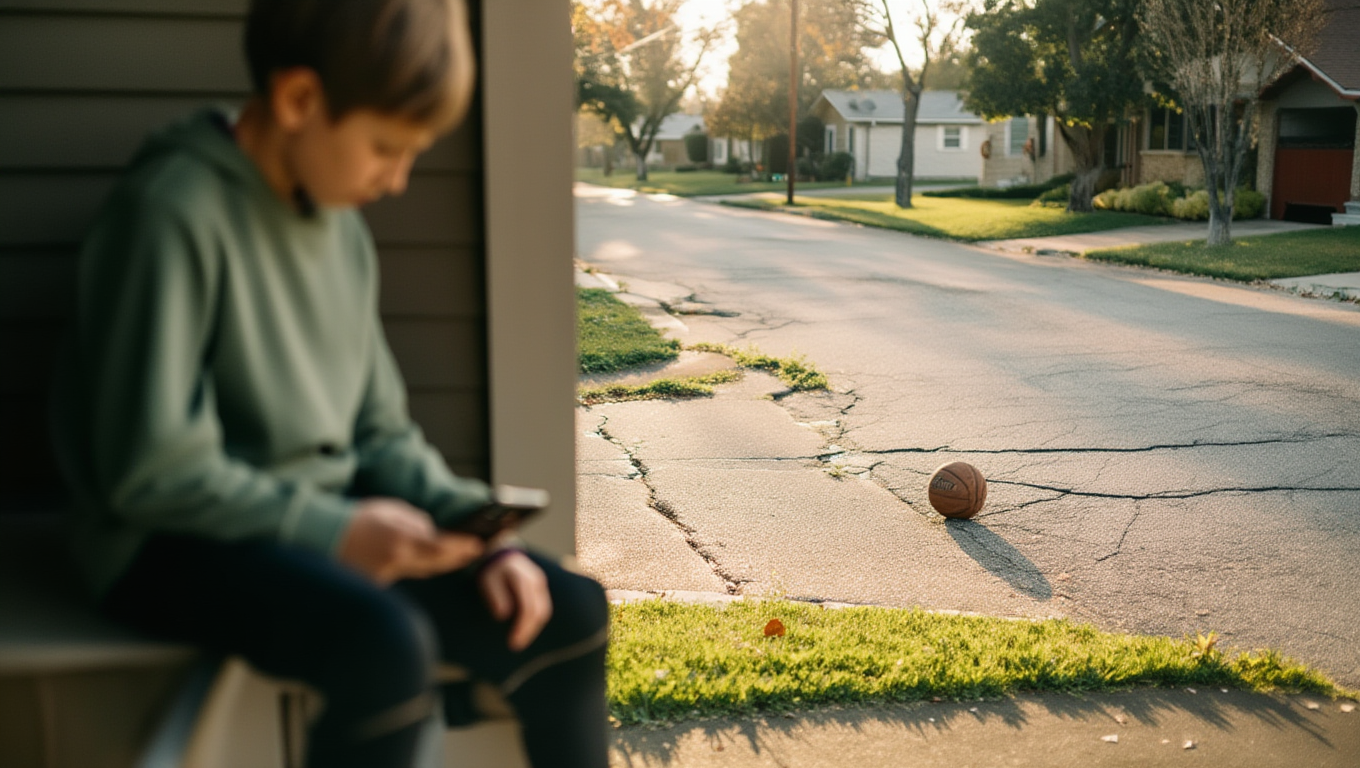
That world no longer exists for most kids. Not because parents got worse. Because the conditions changed, screens replaced sidewalks. Schedules replaced unstructured time. Neighborhoods that used to host pickup games host curated playdates. Kids are shuttled between activities by parents trying to give them everything, quietly knowing it isn’t adding up to what they had themselves.
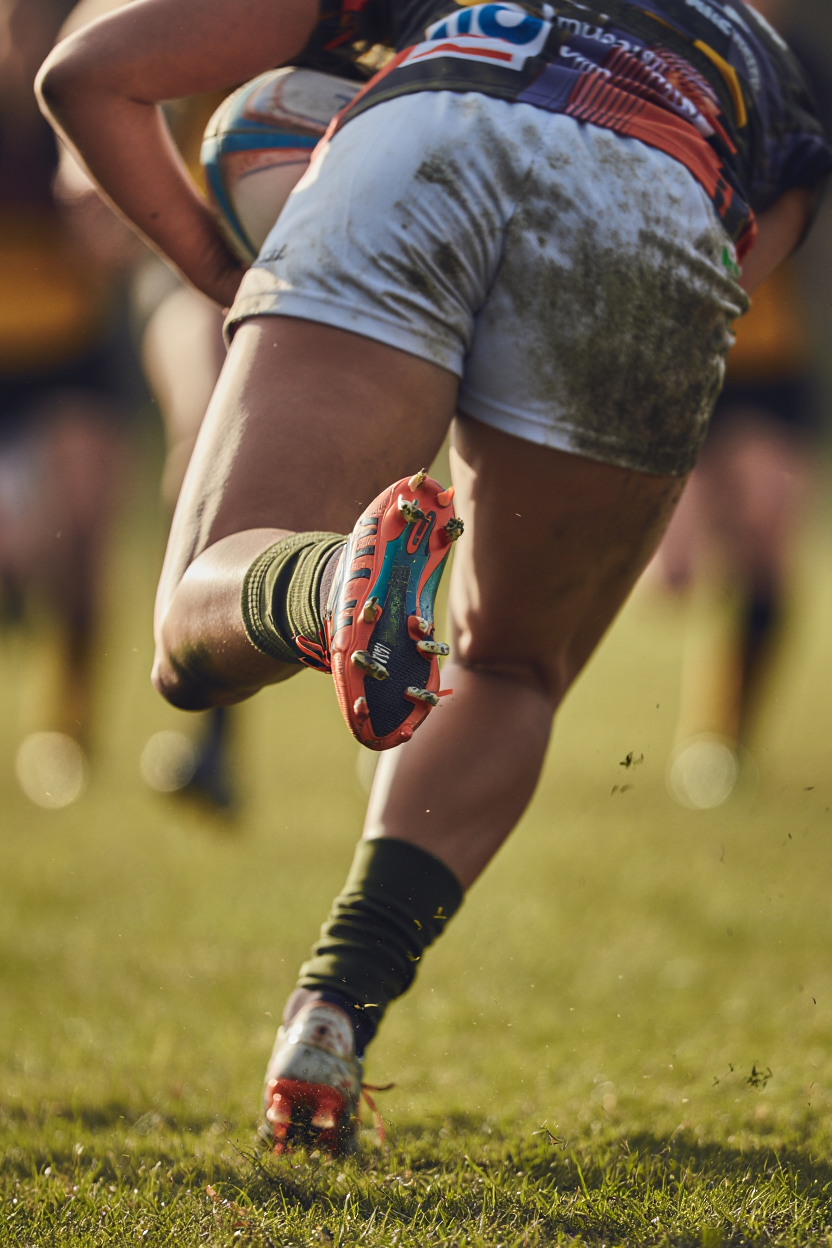
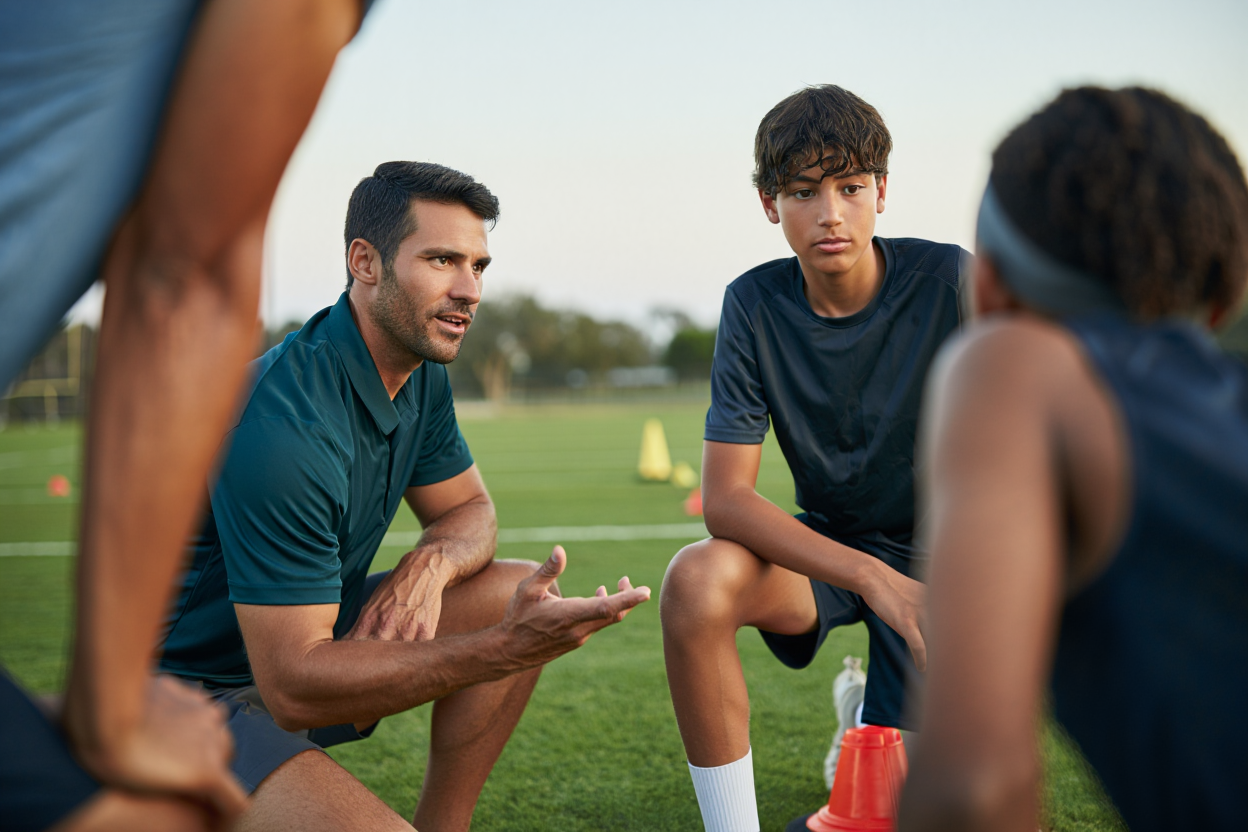
Meanwhile, the youth sport industry has gone in the opposite direction. Faster, more expensive, more credentialed, more competitive. The same kid who once developed coordination by climbing a tree is expected to show up to a 9-year-old travel team practice with the body control of a 12-year-old. The mismatch is the crisis. Not the screens. Not the parents. The gap between what children need to be ready for and what they arrive with.
Then there’s school. Elementary and high school PE used to do real work. Movement basics. Capacity. Coordination. Group play. Most of that has been gutted. What’s left is filler – activity without development.
So the systems that used to assemble readiness, the home, the neighborhood, the school, have been hollowed out from three sides. And the system that used to receive ready kids has tripled in intensity. The math doesn’t work. We’re asking children to perform at a higher level than ever, while the foundation beneath them has thinned to the point of invisibility.
The LinkedIn discourse keeps missing this. Most of what I read is rage or romance. Rage at the industry. Romance for an era when kids just played. Both miss the problem. The industry isn’t going away. The era isn’t coming back. The work is figuring out what readiness looks like in the world we actually live in.
That is why we founded The Ready Collective and built a holistic, data-informed tool for parents, coaches, and children to understand and develop readiness.
Using technology to develop readiness can empower parents, coaches, and children, making them feel confident and hopeful about supporting development.
Childhood is already formalized, just not by anyone with the kid’s development in mind. Kids are absorbing more information than any generation before them, growing up faster, holding more sophisticated language earlier. Parents are sorting through a constant feed of subjective advice, other parents in the school pickup line, social media, and the loudest coach in the league. None of it is based on real information about their child. Decisions get made on noise.
The wearable industry sees the opening. Apple Watch, Oura, and Whoop have saturated the adult market. Kids are next. Those tools measure what happened. Heart rate, steps, sleep, strain. But the health crisis persists; we have jewelry to confirm it. The data is real. The understanding underneath it isn’t. A wearable doesn’t know who the kid is. It infers the person from the activity. It can’t see how a child is doing what they’re doing, the quality of their movement, the pattern of their thinking, the habits underneath their fueling and recovery.
Our technology measures too. The difference is that the numbers have context. In sports science, what gets measured gets managed, and you can’t manage what you can’t see. We measure to understand where a child is starting from, then orient that starting point against the demands they’re meeting each day. The gap between the two is the work. Close it, and the child thrives. Ignore it, and the child survives.
A wearable tells you what happened. R1 tells you who the child is, where they are, and what closes the gap.
Kids aren’t projects. They’re people in development. Readiness in Mind, Body, and Energy isn’t a score. It’s a way of seeing the developmental web that governs a child so the adults around them can stop guessing. Parents are guessing. Coaches are guessing. The system trains both to read performance, and performance is the last thing to change before a kid gets injured, burned out, or quits.
The deeper question is whether the technology around our kids sees them at all. Most of it doesn’t. It treats the child as a customer to convert or a data point to harvest. That’s transactional, and transactional doesn’t develop a human being. Relational does. Technology that understands who the child is, what they’re carrying, and how to support them, is technology invested in the best version of them. Not the version that converts.
Childhood is already being shaped by technology. We wanted to create technology that deposits at a rate greater than it withdraws. Technology that educates and connects, that builds capability and, in turn, confidence. Technology isn’t going away; how we use it is where we see an opportunity to better connect the village with the people who live within it.
See readiness in action.
R1 is building the first national readiness study for youth athletes. 100,000 children across multiple sports.