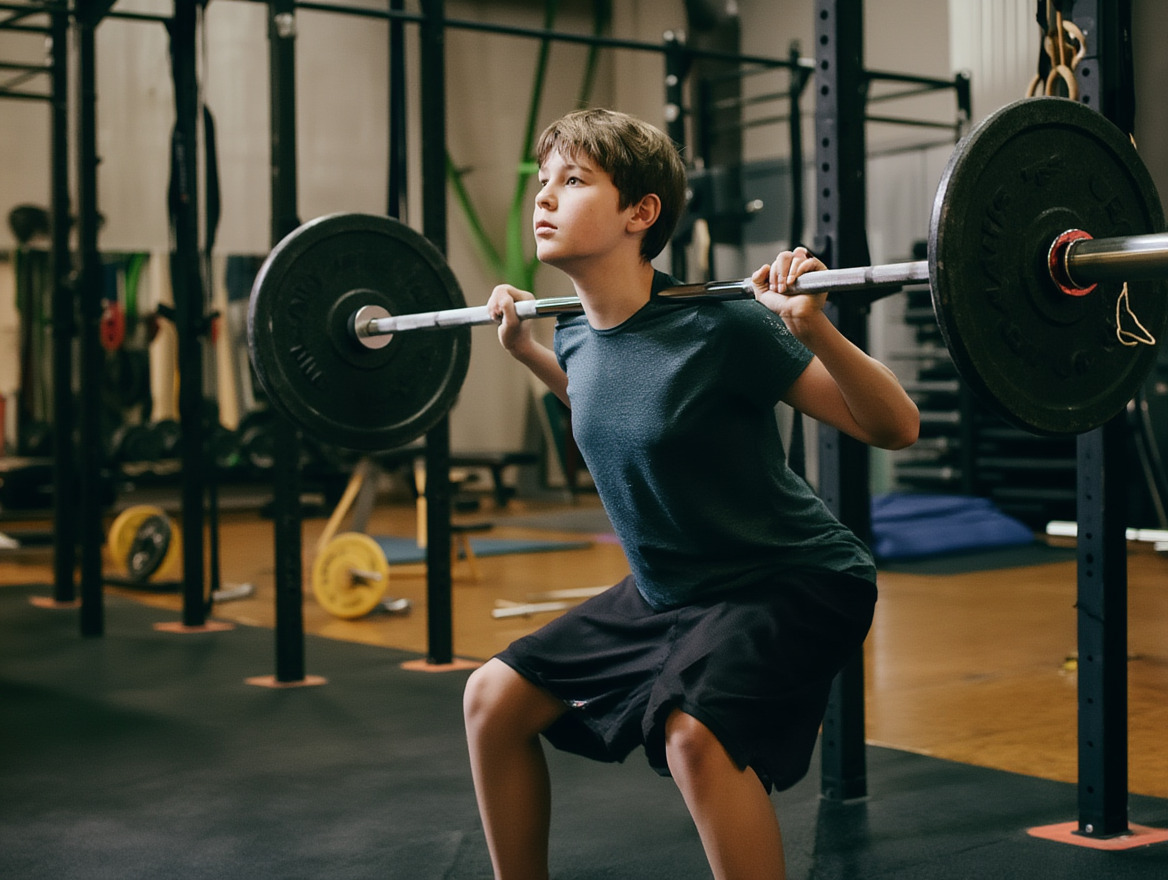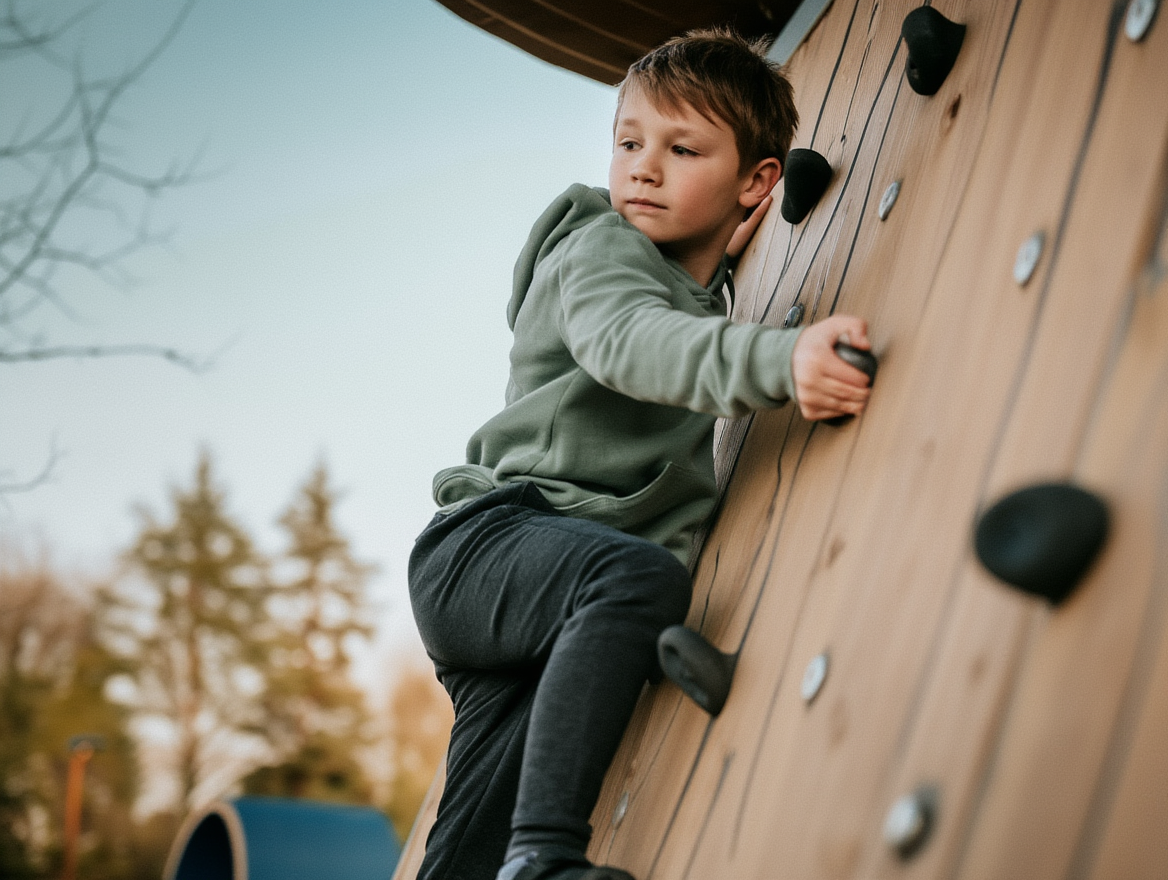
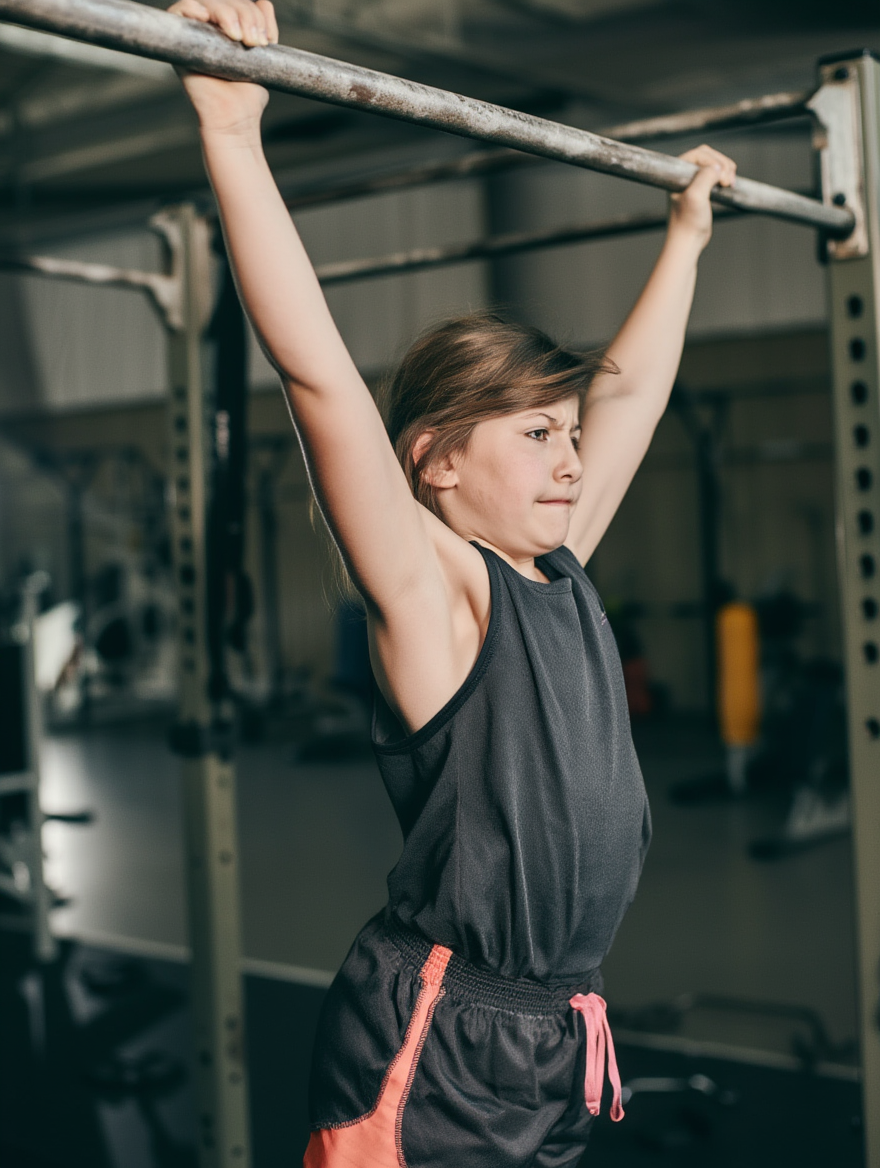
Before any parent worries about what weight to put on a bar, there’s a more important question: can their kid actually control their own body? Not perform. Not compete. Control.
Seven patterns govern everything
Every human movement comes back to seven fundamental patterns. Whether that’s running to a ball, changing direction at speed, landing a jump, throwing, climbing stairs, or carrying a bag of groceries – these seven patterns govern all of it.
Squat ⁄ Lift · Lunge · Upper Push · Upper Pull · Trunk Rotation · Trunk Bend · Single-Leg
Those seven patterns govern sport. They govern the playground. They govern the rest of life long after organised sport is over. A surprising number of children playing organised sport can’t execute most of them reliably – not because they’re unfit, but because nobody has ever taught them deliberately.
What bodyweight training actually does
When a child builds competence in these patterns through their own bodyweight, they’re not doing beginner training. They’re laying the neuromotor wiring that every athletic skill, every sport movement, and every future load sits on top of. Skip that foundation and you’re loading a structure that wasn’t built to be loaded.
The body adapts – but not always in ways that protect it. Compensation patterns develop. Risk accumulates quietly. Then something gives, usually at the worst possible time in the season.
Bodyweight training reveals the truth. You can’t hide a compensating squat or a collapsing single-leg pattern under bodyweight the way you can when external load takes over. The body shows you exactly what it knows and what it doesn’t. That information is genuinely protective.
The investment is smaller than you think
Twenty to thirty minutes, two to three times a week. That’s all this takes. Work through the squat and lunge pattern. Build some pushing and pulling strength. Develop control through rotation and trunk bend. Earn balance and stability on a single leg. Done progressively and consistently, that investment will pay forward into every sport season, every growth spurt, and every new physical demand a child encounters for the rest of their life.
This isn’t a sport performance argument – though sport performance will improve. It’s a health argument. The movement capacity a child builds before and during adolescence becomes structural. It stays with them. What they skip becomes a gap that loads fill badly, year after year.
Where it falls apart in practice
Parents get this in theory. Where it falls apart in practice is the moment they try to actually do it. They find something on YouTube or Instagram. It looks manageable. They bring their child into the living room. The child tries a squat and looks like a baby giraffe finding its legs for the first time. The parent isn’t sure what to correct. The child gets self-conscious. Frustration lands on both sides. The whole thing quietly gets abandoned by Thursday.
That’s not a motivation problem. That’s a guidance problem. Parents aren’t movement specialists. They shouldn’t need to be.
What parents need is a system that can see how their child actually moves, understand where the gaps are across those seven patterns, and build from there in a way that’s appropriate for that specific child’s age, development, and starting point. Not a generic YouTube circuit. Not a one-size program printed from a coaching website. Something that adapts to the child in front of it.
How R1 approaches this
R1 ReadyFirst is built to assess those seven fundamental movement patterns through the camera on your phone. It identifies where the gaps are, builds programming from that baseline, and scales as the child develops. The parent doesn’t need to know what a good squat looks like. The system does. The child gets to build something real – in twenty to thirty minutes, a few times a week – from wherever they are right now.
No gym required. No equipment required. Just a body, a program that can see how it moves, and enough consistency to let the adaptation happen.
See how R1 ReadyFirst works.
The Body domain is one of three pillars in the R1 framework – alongside Mind and Energy. See how the daily check-in surfaces what parents and coaches can’t see from the sideline.